

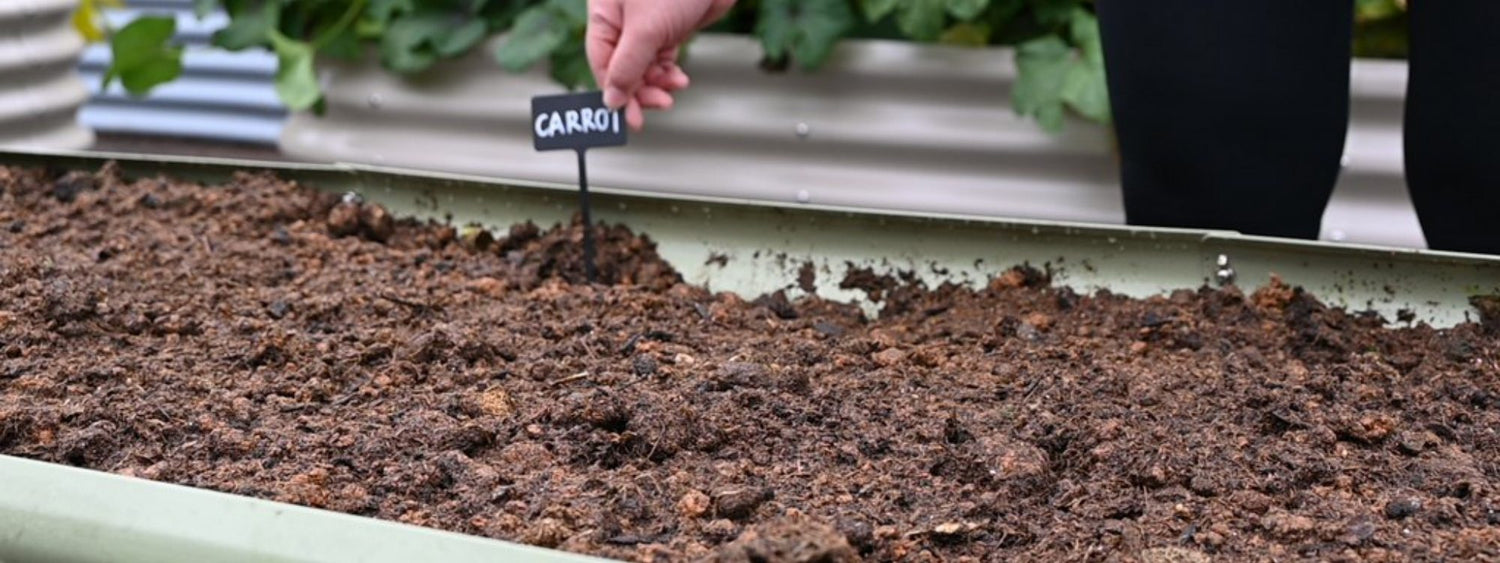
You remember my first raised bed, right? The one with 10 bags of potting soil that became a running joke in our house?
Well, here's the part I didn't tell you: after that first bed, I got hooked. I bought a second bed. Then a third. Then a fourth. And somewhere around bed number three, I started gradually figuring things out. I learned how to mix my own soil and save money on that. And I started learning how to fill a raised bed with stuff I already had in my backyard instead of buying more and more bagged soil. Gardening shouldn't end up being all about shopping, should it?
That's when I discovered Hugelkultur.

What the Heck Is Hugelkultur?
Hugelkultur. Say it with me: Hoo-gul-culture. It sounds like something you'd order at a fancy restaurant, doesn't it? Or maybe a yoga pose.
It's actually a German word, and all it means is "hill culture" or "mound culture." But here's the simple version: instead of filling your raised bed entirely with soil, you fill the bottom half with wood and branches, then put soil on top.
The idea has been around for centuries. It's basically what happens on a forest floor—branches fall, leaves pile on top, everything rots down into rich soil over time.Here's the thing that got me: Hugelkultur isn't some clever new invention. It's just us finally catching on to what the forest has been doing forever. Branches fall. Leaves pile up. Everything rots down into soil. Nature's been running this system for millions of years, no bags of soil required.
Something about that just stopped me in my tracks. The garden—again—was teaching me something. And the best part? All those materials I'd been buying? They were literally lying on the ground in my own backyard. Free.
Why This Method Actually Works Great
1. Your Soil Gets Better Every Year
Here's the magic part. As those branches and sticks slowly rot away over several years, they turn into compost. Not just any compost—beautiful, dark, crumbly organic matter that feeds your plants.
You'll notice your bed sinking a little each year. That's a good thing! It means the logs and branches underneath are breaking down, turning into food for your plants. Every spring, you just add a few inches of fresh compost or soil on top, and the cycle continues. The bed keeps getting better.
2. You Water Way Less Often
This surprised me the most. The wood at the bottom of the bed acts like a giant sponge. It soaks up water when you irrigate or when it rains, then slowly releases that moisture back into the soil as things dry out.
Less watering means less work and less water wasted. I'm a fan of that.
3. Roots Can Breathe Better
Those branches and twigs create air pockets deep in the bed. Air pockets mean oxygen can reach the roots. Roots love oxygen. Plants with oxygenated roots grow stronger and deeper.
4. You Save a Ton of Money
Let's do some quick math. A standard 4x8 raised bed that's a foot deep needs 32 cubic feet of soil to fill it completely. If you're buying bagged soil at $8-12 per bag (and most bags are only 1-2 cubic feet), you're looking at a whole lot of money just to fill one bed.
With Hugelkultur, you might only need a third of that much soil—or even less. The bottom is filled with stuff you already have: fallen branches, old leaves, that pile of twigs you've been meaning to clean up.
I filled a 4x8 bed last spring with my own soil mix. I bought top soil from Home Depot—cost me about $50—and added my own homemade compost (which feels precious, honestly, because I made it myself). Everything else came from my yard and my neighbor's trash pile. The whole bed cost less than $70 to fill.
How to Fill a Bed Using Hugelkultur (Step by Step)
Here's exactly how I fill a raised bed using this method. You'll need:
A raised bed (obviously)
Cardboard (plain brown, no glossy coating)
Old logs (if you can find them)
Branches and sticks
Hedge trimmings, tree trimmings
Your soil mix (from the previous article!)
Step 1: Start with Cardboard
Lay down about 2 layers of plain cardboard at the very bottom of your bed. This isn't strictly necessary, but it does prevent weeds from coming up which is really great!
Make sure it's plain brown cardboard. No glossy ads, no colored printing, no packing tape. Just cardboard. Wet it down so it stays in place.
Step 2: Add Old Logs
If you can get your hands on old, partially rotted logs, those are ideal. They're already soft and spongy, which means they hold water really well. Some places have local firms that collect old logs, nicely treated sell to those who needs them—if you happen to know this, it is good resource.
However, no old logs is quite common, so firewood also works too. It'll just take a little longer to break down because it is much fresher than old log.
Step 3: Add Branches and Sticks
Next, pile on branches and sticks in various sizes. These don't have to be anything special—just whatever you've pruned or collected.
Step 4: Add Medium-Sized Stuff
Now add hedge trimmings, smaller tree trimmings, anything in that in-between size. This layer fills the gaps between the bigger pieces.
Step 5: Add Soft Organic Material
Now dump in leaves, grass clippings, straw, or even vegetable scraps from the kitchen. This stuff breaks down fast and gets the microbial party started. It also helps fill any remaining air pockets so your top layer doesn't just collapse into the gaps later.
Step 6: Add Your Soil Mix
Finally, add your soil on top. You want at least 8-10 inches of soil for your plants to grow in—more if you're planting deep-rooted crops like tomatoes or carrots.
This is where you can use the soil mix I talked about in the last article: top soil, compost, coir or peat, perlite or sand. Mix it well and pile it on.
Pro Tips for Building a Hugelkultur Bed
Tip 1: Water Every Single Layer
As you build, water each layer before adding the next one. This means when your bed is finally full, it's already soaked through—a fully hydrated bed ready for planting right away. No waiting, no wondering if the water is reaching the bottom.
Tip 2: Fill the Gaps with Soil
Those logs and branches you layered in? They're going to have gaps between them. Fill those gaps with soil as you go. This way, when plant roots grow down and reach the logs, they'll find soil pathways to keep growing along, instead of hitting a solid wall of wood with nowhere to go.
A Note About Fresh Wood
If you don't have old, dry logs, fresh wood works too. Just know that it'll take longer to break down. Your bed will still work—it'll just take a little more patience before you see the full benefits.
What to Expect the First Year
Your Hugelkultur bed will behave a little differently than a regular bed, especially in year one. Here's what to expect.
Settling: The bed will sink. Probably more than you expect. As the wood and braches starts breaking down, the whole thing compresses. This is normal. Just add more soil or compost on top in the spring.
Watering: You'll water less often than your other beds, but when you do water, water deeply. You want that bottom layer to get wet and stay wet.
Topping up: Every spring, add a couple inches of fresh compost on top. This replaces what settled over winter and keeps your soil fertile.
Can You Do This in Small Beds?
Short answer: yes, but you need to adjust.
If you're filling a shallow bed (less than 8 inches deep), think carefully about what you're planting. Big logs will take up space that roots need—especially if you're growing deep-rooted crops like tomatoes or carrots.
For shallow beds, I stick to smaller branches and twigs as the bottom layer, and I keep that layer thin. The goal is to leave at least 6-8 inches of actual soil on top for roots to grow in. If you're only planting shallow-rooted things like lettuce or herbs, this works great.

Common Questions (From People Who Tried It)
Q: How long does the wood last?
A: Depends on your climate and what kind of wood you used. In my garden (temperate, decent rainfall), the small branches are mostly gone after two to three years. The bigger stuff—like those old logs—I'm guessing will take much longer. And that's fine. They're the gift that keeps giving.
Q: Can I use fresh-cut wood?
A: Yes. It'll take longer to break down, but it works fine. If you have the choice, aged wood is better, but don't let perfect be the enemy of good.
Q: What about leaves—can I just use leaves?
A: Absolutely. A bed filled mostly with leaves and topped with soil is basically a variation on Hugelkultur. It'll settle fast (leaves break down quick), but it works.
Q: My bed sinks every year. Did I do something wrong?
A: Nope. You did it right. That sinking means decomposition is happening. Add more compost every spring and call it a win.
Q: Besides cardboard, what else can I use as the bottom layer?
A: Plain cardboard is great, but if you don't have it, thick garden fabric works too. Just avoid plastic sheeting—it blocks drainage and keeps all those good soil creatures from moving up into your bed.
That first bed I told you about? The one that cost me a small fortune in bagged soil? It taught me a lesson I'm actually grateful for.
These days, when I fill a new bed, I think about what's already in my yard. The oak branches that fell in last week's storm. The pile of leaves my neighbor bagged up and set on the curb. The cardboard boxes from deliveries that would otherwise go in the recycling bin. All of it can become part of a garden.
The Hugelkultur bed I filled years ago is still one of my best producers. It grows tomatoes that make my other beds jealous. And the way it holds moisture? I dug into it the other day—the surface was dry, sure, but a few inches down, the soil was slightly sticky, still holding onto water from the last rain days ago.
The garden has a way of teaching you that the best things aren't always the ones you buy. Sometimes, they're the ones you already have—stacked in a pile behind the shed, waiting for you to figure out what they're worth.
Now go grab some branches. Your wallet will thank you. And so will your tomatoes.
You may also enjoy these related blogs:
The Best Soil Mix for Raised Garden Beds (Simple Recipe That Works)


Leave a comment
This site is protected by hCaptcha and the hCaptcha Privacy Policy and Terms of Service apply.