

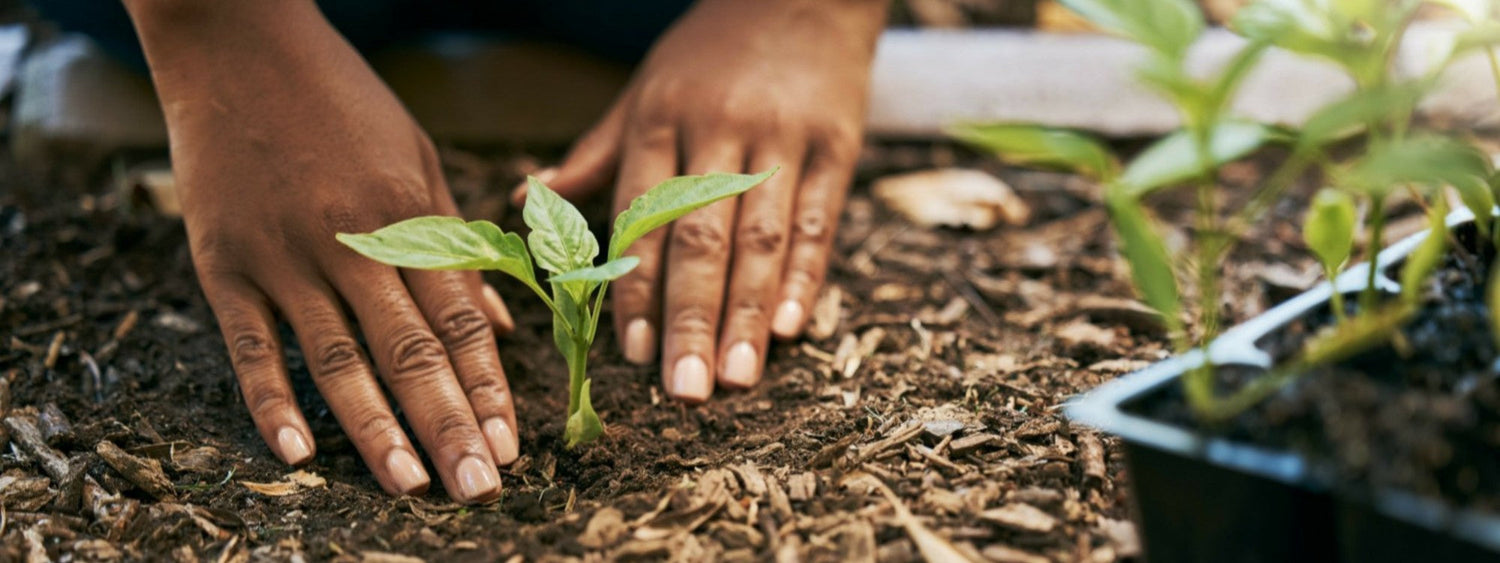
To raised bed gardening or to garden in the ground—that is the question.
It's like the mom debates that pop up the minute a baby arrives: breastfeed or bottle-feed? Both sides have die-hard fans, endless advice, and at least one aunt who swears the other choice will ruin your kid forever.
Gardening honestly feels a lot like that. You've got loyalists on both sides—people who've tried both and picked a favorite, and others who've only ever had the chance to use one method. Each comes with its own pros and cons, and in the end, the "best" choice usually just comes down to what works for you. So let's walk through the key differences—based on my own dirt-under-the-nails experience and plenty of conversations with fellow gardeners over the years.

1. Soil Quality: It's all about control!
Good veggies start with good soil. And yes, all those ads aren't totally wrong—your soil really is worth investing in. Soil companies may want to sell you more of it, but they're not lying: what you start with shapes everything that comes next.
This is where raised beds really shine. From day one, you're in control. You choose the mix, the texture, the nutrients—the whole recipe. Your plants get loose, rich, well-draining soil, and they respond accordingly.
You can even tailor soil for specific crops. Tomatoes, for example, are famously picky about pH, which is why I usually grow them in raised beds—it's simply easier to give them exactly what they want.
But… it comes at a cost.
Good soil isn't cheap. And these days, just finding reliable, high-quality soil can feel like a quest. Moving it? That's a workout for muscles you forgot you had.To save money, many gardeners fill the bottom of raised beds with old logs. This reduces how much soil you need and slowly improves the bed as the material breaks down. (And yes, I can already hear the question: "Where am I supposed to find old logs?" For many gardeners, it's not nearly as accessible as online videos make it look.)
Some friends use straw or hay bales instead—it works surprisingly well. Just be mindful of potential herbicide residue.
In-ground gardening, on the other hand, depends entirely on the soil you inherit. Some gardeners are blessed with loamy, well-draining soil that makes the rest of us quietly jealous. Others start with clay, rocks, and heartbreak. They call it a "soil journey". It sounds poetic—until you're hauling out rocks the size of grapefruits.
2. Soil Temperature: When can you start planting?
Raised beds warm up faster in spring. Sitting above ground level, they catch more sunlight and shake off winter sooner. For gardeners in colder climates, that head start can mean weeks of extra growing time—and that really matters.
The tradeoff? Raised beds also heat up and dry out faster in summer. That means more frequent watering and closer attention. I don't mind watering on a calm morning, quietly chatting with my plants—but doing it in triple-digit heat with a climbing water bill is another story.
Some people treat early soil warmth like gardening magic. It's not magic—but it is a real advantage. And I'll admit, I enjoy planting my tomatoes while my in-ground friends are still waiting for their soil to cooperate.
3. Drainage: Where does the water go?
Most raised beds drain beautifully.
One friend told me her yard turns into a swamp every rainy season—but her raised beds stay perfectly workable.
In-ground gardens depend completely on native soil structure. Clay holds water too long. Sand drains too fast. Loam? That's the dream. And yes, I've met gardeners whose soil drains so perfectly it makes the rest of us question our life choices—again.
4. Setup & Maintenance: Where do you want to spend your energy?
Raised beds demand more effort upfront—building, placing, filling—but once they're set up, maintenance tends to be simpler and more predictable.
I know a family who downsized from a 2,000 sq ft in-ground plot to a 500 sq ft raised bed setup. Less space, far less stress, and still plenty of food. They simply chose what fit their life and committed to it.
In-ground gardening starts cheap—no frames, no soil to buy—but it asks for ongoing effort: digging, weeding, amending, and repeating the cycle.
Both methods require care. What differs is how that care fits into your body, your schedule, and your daily rhythm.
5. Crop Suitability: What do you want to grow?
From my experience:
Raised beds excel with: tomatoes, peppers, herbs, leafy greens, cabbage, kale, strawberries, and most annual vegetables.
In-ground gardens shine with: potatoes, sweet potatoes, pumpkins, melons—anything that sprawls or sends roots deep.
Many gardeners mix both approaches. Garlic, kale, and herbs go into raised beds. Potatoes and pumpkins get room to roam in open soil.
6. Comfort & Accessibility: How's your back feeling?
This is where raised beds truly won me over.
Both my husband and I deal with back issues, and being able to garden without constant bending feels like a small miracle. Once a bed reaches about 1.5 feet tall, the difference is undeniable.
In-ground gardening involves kneeling, crouching, and reaching. Some gardeners love that full-body connection to the earth—and if your body allows it, it can feel deeply grounding and meditative.
Raised garden beds aren't necessary for everyone. But for many, they make gardening possible—and genuinely enjoyable.

So, what's the takeaway?
Just like the breastfeeding vs. bottle debate, how you garden is personal.
Raised beds offer control, earlier starts, tidy structure, and relief for tired backs.
In-ground gardening offers lower startup costs, deeper soil, more space, and a raw connection to the earth.
As for looks? That's entirely a matter of taste.
After trying both, I now grow most of my vegetables—and a few flowers—in raised beds, while keeping certain crops in the ground. I do water more in summer, yes. But on a cool day, watering feels like a quiet conversation with my plants—and those moments are worth it.
There's no right or wrong choice here. Only what suits your garden, your climate, your rhythm, and your life.
Either way, the love of growing things stays the same.


Leave a comment
This site is protected by hCaptcha and the hCaptcha Privacy Policy and Terms of Service apply.