

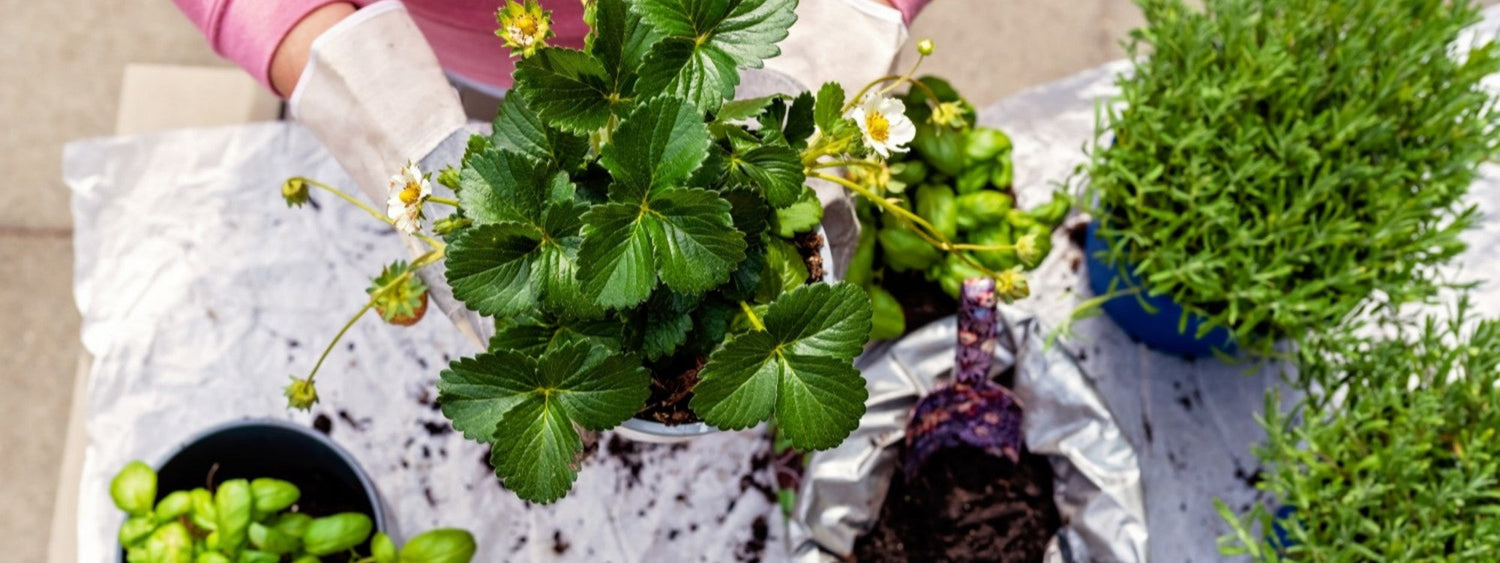
When people talk about sustainable gardening, it often sounds big. Perfect systems. Zero waste. Endless upgrades. But in real life, sustainability feels much quieter.
To me, it's a garden that doesn't always end with buying more. It's finding ways to reuse what you already have. Letting "waste" become something useful again. It's the setup that still works when you're tired. The choices that don't need fixing, replacing, or rethinking every season.
Sustainable gardening isn't about doing everything right. It's about making a few smart decisions that actually last—ones that save energy, reduce waste, and make the garden easier to return to, year after year.

Over time, I've noticed that the gardens people stick with aren't the most impressive ones. They're built on simple choices made early on. Here are four of those choices.
1. Choose durability over quick fixes
Things that last save you time, money, and frustration in the long run.
It's tempting to go for the fastest, cheapest solution—especially when you're excited to get started. Temporary materials, thin tools, shortcuts that promise "easy." Sometimes they work.
More often, they wear out, fall apart, or need replacing just when the garden finally gets going.
Durable choices don't always look exciting at first. They ask for a little patience—and sometimes a bit more upfront effort. But they repay you with fewer repairs, fewer do-overs, and fewer moments of "why did I do this?"
In the garden, reliability doesn't get enough credit. And once something is in place and quietly doing its job, you're free to focus on what actually matters: growing, observing, enjoying.
2. Design for real life — not perfection
Your garden should fit your schedule, energy, and space. Not the other way around.
Real life has busy weeks. Real life has tired evenings, missed watering days, and plans that change.
A sustainable garden doesn't assume you'll show up every day with unlimited time and enthusiasm. It works with your routines—not against them.
That might mean:
- Fewer beds, but better cared for
- Crops you actually eat, not just admire
- Layouts that are easy to reach, water, and harvest
A garden designed for real life feels forgiving. If you skip a day, it doesn't punish you. If your energy dips, it still carries on.
Perfection fades quickly. Practical design keeps you coming back.
3. Reduce waste whenever possible
Less waste means less to deal with—and more value over time.
Sustainable gardening isn't about being zero-waste overnight. It's about noticing where things quietly pile up: excess packaging, unused materials, half-finished ideas. Every unnecessary item becomes something you have to store, move, clean up, or throw away later. Reducing waste can be as simple as:
- Choosing reusable materials
- Using what you already have before buying more
- Letting garden byproducts (leaves, stems, trimmings) return to the soil
When there's less clutter, there's less mental load. The garden feels calmer. More intentional. Easier to maintain. And over time, those small reductions add up—to savings you can feel.
4. Make room for enjoyment
There was a time when I got a little too obsessed with outdoor gardening. Every spot that could be planted… was planted. Beds filled. Corners filled. Plans filled.
What I didn't realize then was that my garden had quietly turned into a never-ending to-do list — one that almost made me not want to step into the garden anymore. Until one afternoon, almost out of frustration, I dragged an old, wobbly chair out and set it beside the raised garden bed. No agenda. No task. I just sat there for a while. And since then, the yellowing leaves haven't bothered me as much anymore.
A successful garden isn't the most productive one. It's the one you feel like walking into.
If a garden feels welcoming, you naturally spend more time there. And the more time you spend there, the better you understand it.
Enjoyment isn't extra. It's what makes everything else sustainable.

Successful, sustainable gardening isn't about doing more. It's about choosing wisely—and choosing what lasts.
Durability over shortcuts.
Real life over perfection.
Less waste.
More joy.
Those choices don't just build better gardens. They build gardens that stay with you.


Leave a comment
This site is protected by hCaptcha and the hCaptcha Privacy Policy and Terms of Service apply.