

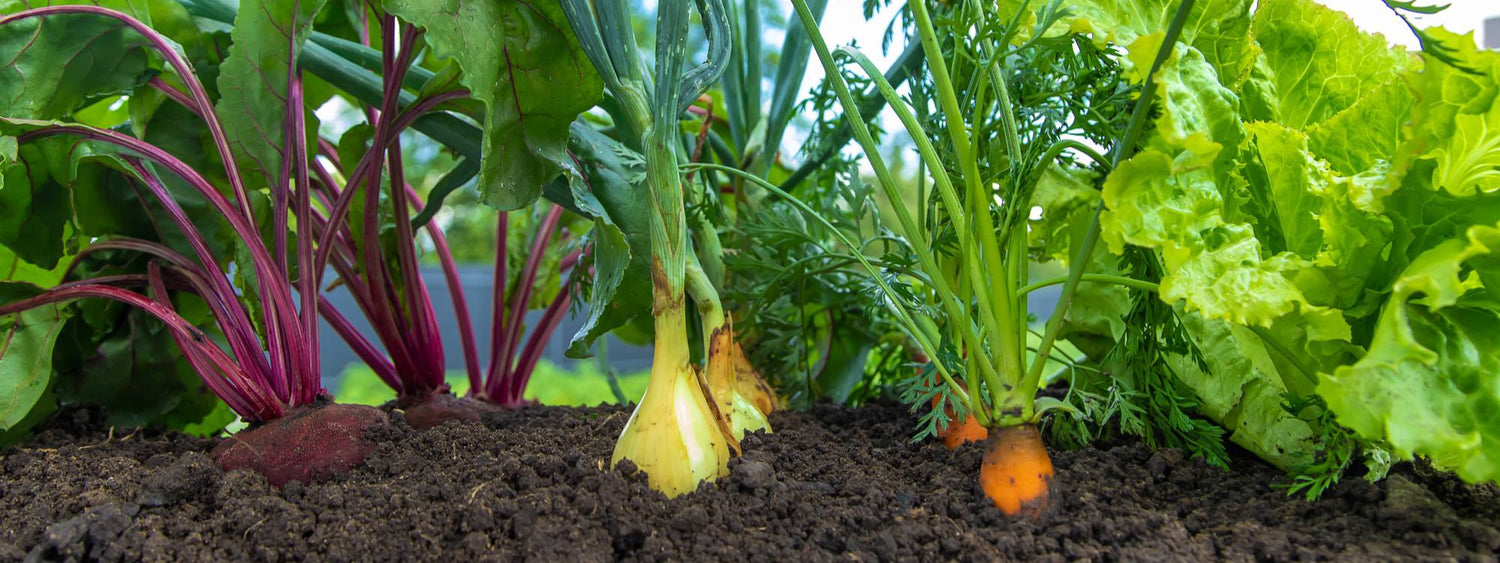
Companion planting might sound like a trendy term, but it's actually an ancient practice. Long before garden books or online guides, gardeners figured out that some plants work better when they're grown together. It's like the ultimate garden hack that has been passed down for generations. What's even more exciting? We're still learning new things about it today.
While there are plenty of books and websites offering companion planting advice, the truth is, the science behind many of these combinations is still just a small part of what's been explored. Companion planting is a blend of gardening experience and wisdom passed down over time, and maybe that's what makes gardening so intriguing — every year is a new adventure with something different to discover.
What we do know is this: when done right, companion planting is one of the most natural, low-maintenance ways to grow a thriving garden without relying on chemicals or synthetic fertilizers.
Why Companion Planting Works
Companion planting fits perfectly with the Annoell CleanGrow philosophy, which emphasizes natural, chemical-free gardening. Here's how it works:
Harnessing Microorganisms: Companion plants help create a healthy soil ecosystem. Beneficial microbes fight off harmful pathogens, reducing the need for chemical sprays — nature takes care of itself.
Pest Control with Nature: Certain plants repel pests with their scent or color, while others attract beneficial insects that target the harmful ones. It's like having a built-in pest control system in your garden.
Growth Promotion: Some plants enhance each other's growth. They share nutrients, provide shade, or even protect each other from the elements.
Space Efficiency: Companion planting helps maximize your garden space. You can fit more plants together, and they'll grow better without competing for room or resources.

Types of Companion Planting
Here are two main types of companion planting to consider in your garden:
Interplanting (Mixing Plants): This involves planting different types of plants together within the same space. The idea is that the main plant benefits from the companion plant's growth, and together, they produce more yield than when planted alone.
Succession Planting: This is about planting a new crop before the old one's finished. It's a great way to make sure your garden is always producing, creating an optimal environment for the next crop.
Companion Planting in Action: Simple Pairings for Success
Here's a list of easy-to-pair plants that are sure to give you great results:
Tomatoes ✕ Basil: Classic combo! Basil keeps pests away from tomatoes and even boosts their flavor. Plus, they look great together in the garden.
Onions ✕ Chamomile: The onion's strong smell repels pests, while chamomile attracts beneficial insects. Both plants thrive in the same type of soil, making them a perfect match.
Strawberries ✕ Garlic: Garlic keeps aphids and mites away from strawberries.
Sweet Peppers ✕ Spinach: Plant spinach first, then follow it with peppers once it's done. This helps you make the most of your garden space throughout the season.
Carrots ✕ Onions: The strong scent of onions helps repel carrot pests, and the two plants work well together without competing for space.
Cucumbers ✕ Nasturtiums: Nasturtiums attract aphids, keeping them away from cucumbers, and they're delicious in salads too!
Beans ✕ Corn: Beans fix nitrogen in the soil, which helps corn grow tall and strong. This combo benefits from both plants sharing the space and improving each other's growth.

The Logic Behind Companion Planting
Even though there are endless possible combinations for companion planting, most of them can be grouped into a few key principles:
Monocots ✕ Dicots: For example, planting sweet peppers (a dicot) with chives (a monocot). They have different root systems, which means they don't compete for the same nutrients.
Deep-Rooted ✕ Shallow-Rooted Plants: For example, spinach (deep roots) and onions (shallow roots). Their roots don't interfere with each other, making them ideal companions.
Tall Plants ✕ Short Plants: For instance, planting eggplants (tall) next to peanuts (short). The taller plants provide shade, and the shorter plants grow without being crowded.
Sun-Loving Plants ✕ Shade-Loving Plants: For example, planting ginger under the large leaves of taro. The taro leaves provide shade, and the ginger grows better in these conditions.
Additionally, there are combinations like heavy-feeders and soil-enriching plants or long-growing plants paired with short-growing plants.
Final Thoughts: The Joy of Companion Planting
In the past, I used to think that companion planting was complex, like I had to memorize endless combinations. But once I understood the logic behind it, I realized it wasn't as hard as I thought. A simple approach is to start with a few plant pairings you often grow, and experiment with new ones each season. Over time, you'll get more comfortable with it — and that's the joy of gardening: discovering new things and improving year after year.
If you haven't given companion planting a try yet, start small! Choose a few plant pairings, experiment, and see how they work in your garden. You'll be amazed at how well they can thrive together, and it's a great way to grow a healthier, more productive garden without relying on chemicals. Happy planting!
You may also enjoy these related blogs:
Essential Herb and Vegetable Companion Planting Combinations for a Thriving Garden


Leave a comment
This site is protected by hCaptcha and the hCaptcha Privacy Policy and Terms of Service apply.