

I started learning about companion planting in the simplest way possible — by tucking herbs in next to my vegetables.
At first, it wasn't some big strategy. I just figured, why not let them share the space?
But the more I paid attention, the more something shifted. My garden stopped feeling like neat rows of separate plants...and started feeling like a small community.
Less effort.
Fewer pests.
Better growth.
And honestly?
More fun too.

Herbs were my easy entry point into companion planting.
They're forgiving. Many of them are surprisingly hard to kill. And they don't demand perfect conditions to thrive.
If you're curious about companion planting, herbs are a gentle place to start.
So let me share a few classic combinations where herbs and vegetables really do grow better together.
1. Tomatoes + Basil + Marigolds — The Classic Trio
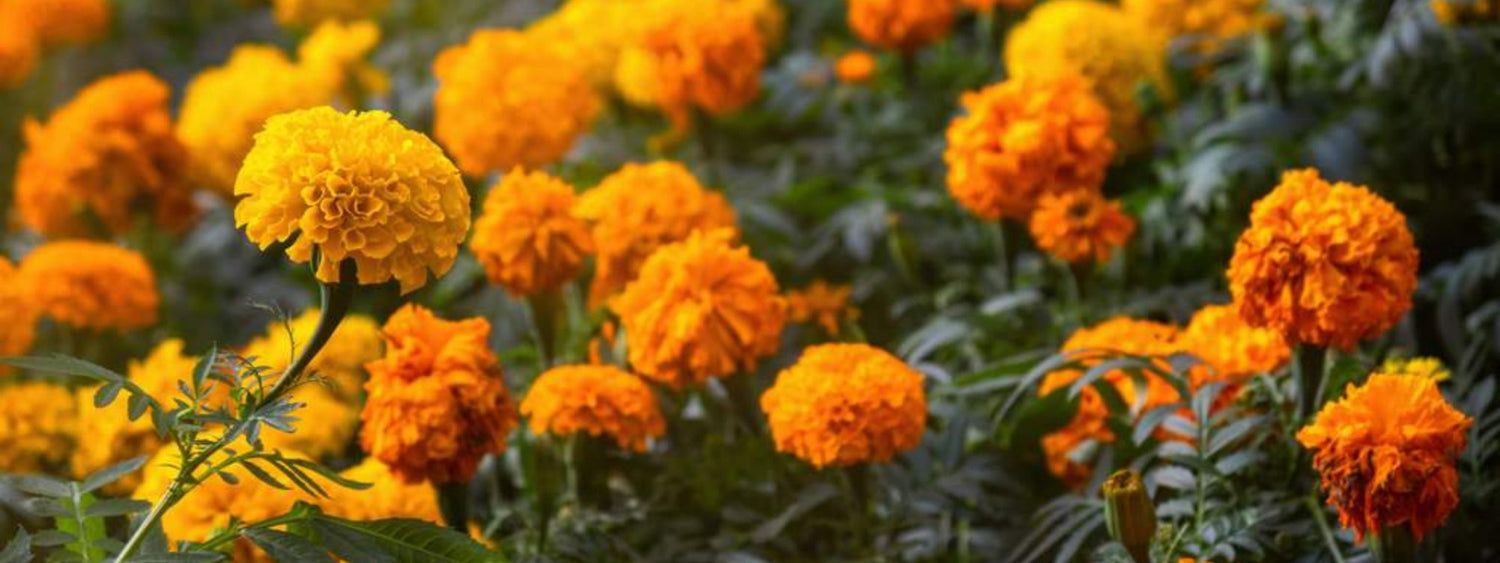
This is the combination I come back to every year. Basil and tomatoes just belong together. They grow well side by side, and somehow even taste better together. Marigolds add the protective layer — helping with pests and attracting pollinators.
How I plant them:
Tomatoes in the center.
Basil around them.
Marigolds along the edges — where they can spill gently over the sides of the bed.
I love planting marigolds at the border.
They soften the lines of the bed, draw pollinators in, and when they start cascading a little over the metal edge, the whole thing looks less like a structure...and more like a living space.
2. Strawberries + Mint — Friends, With Boundaries
This one only works if you respect one rule: Mint does not get free space. It will take everything if you let it. So I separate them. Sometimes I use edging. Sometimes I keep mint in containers. Strawberries on one side. Mint on the other.
3. Peppers + Oregano + Rosemary — The Dry Climate Crew
These plants just make sense together.
They all prefer:
Full sun
Well-drained soil
Not too much attention
Oregano stays low and covers soil. Rosemary stands tall and adds structure. Peppers sit in the middle doing their thing.
4. Beans / Cucumbers + Nasturtium + Thyme — The Protective Layer
One of my favorite setups. Beans and cucumbers climb. Nasturtium spreads underneath and acts as a "sacrifice plant" — aphids often go there first. Thyme stays low and keeps the soil covered.
5. The Three Sisters + Herbs (Corn, Beans, Squash)
This is one of the most well-known companion planting systems in North America.
The Three Sisters are:
Corn (the structure)
Beans (the nitrogen fixer)
Squash (the ground cover)
Traditionally, herbs are not the core part of this system, but many home gardeners now add herbs around it for extra support.
For example:
Basil near the edges (pollinators)
Oregano or thyme as living ground cover between beds
Occasionally dill to attract beneficial insects

The thing about companion planting is this:
At the beginning, it feels like homework. You read lists. You try to memorize combinations.
Tomatoes with this. Not with that. Good neighbors. Bad neighbors.
But after a few seasons, something changes. You stop memorizing — and start noticing.
You see which plants share space well.
Which ones attract fewer pests.
Which corners feel healthier, calmer, more alive.
And here's what I've realized:
Herbs make this whole thing easier. They pair well with so many of the vegetables we already grow. They're resilient. They don't demand perfection.
You don't need to go buy a whole new set of "companion plants." Most of the time, you can just walk over to your herb bed, snip a few starts, and tuck them in next to your vegetables.
Simple. Practical. Already in your yard.
You may also enjoy these related blogs:


Leave a comment
This site is protected by hCaptcha and the hCaptcha Privacy Policy and Terms of Service apply.