

For many of us, the pandemic didn't just disrupt routines—it profoundly reshaped how we live and what we value.
With remote or hybrid work here to stay, more people are moving to suburban areas and smaller towns. And with that shift comes something precious: more space, and more time for life at a slower pace. I've watched friends gaze out at their neglected lawns and chuckle, "Turns out, I spent years and small fortunes chasing ‘nature'—only to realize my greatest adventure was hiding under a layer of weeds in my own backyard."
As our daily rhythms change, home gardening has moved from hobby to priority—not just for enjoyment, but for a tangible sense of self-reliance, especially in growing food.
The numbers tell a powerful story. According to the National Gardening Association, 2020 brought a historic surge, with over 18 million new gardeners taking up the trowel—and get this, nearly 8 in 10 of them had never gardened before. For many, planting vegetables and herbs became a tangible way to find calm and control. And the momentum hasn't slowed—some estimates suggest the total number of U.S. household gardeners could cross the 100 million mark by 2025. But what's even more telling is who is driving this change. While retirees still love their plots, the fastest-growing segment is millennials and Gen X homeowners. I've seen reports noting that the under-35 crowd now makes up nearly a third of all gardening households, and they're actually outspending every other age group on their gardens.This isn't just a pastime—it's a lifestyle shift toward reconnection, authenticity, and purposeful consumption.
For me, this shift hit close to home.
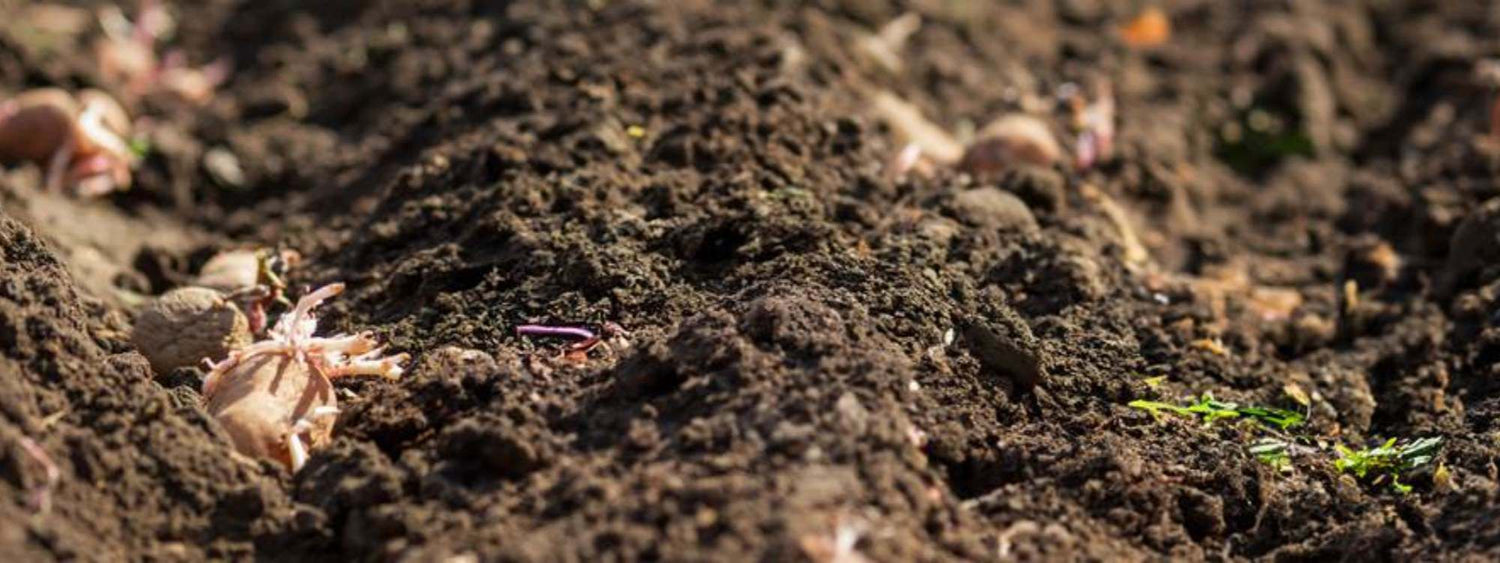
I grew up enjoying the rewards of a garden that wasn't mine. Some of my fondest memories are of trailing behind my dad as he checked tomato vines, the smell of warm soil and basil hanging in the air. I remember summer mornings when my parents would slip outside before dawn, their quiet voices and the clink of tools drifting through my window. By the time I stumbled into the kitchen, they'd be back, dew on their boots and a colander full of just-picked greens on the counter. After I moved out, weekend visits always centered around the garden's bounty—my mom's simple salads, my dad proudly handing over a zucchini the size of my forearm. For years, that was enough. But eventually, I realized I didn't just miss the food; I missed the quiet ritual, the patience, the dirt under my own nails. I wanted the process, not just the produce.
So I started my own garden. And with it, began growing my own food—and my own philosophy.
Noticing a Pattern: Something Bigger Than Gardening
The more I gardened, the more I saw a shared mindset taking shape—in my choices, and in those of people around me.
- Friends who started with a few veggies began adding backyard chickens for eggs, closing a little loop in their home ecosystem.
- Composting went from a "nice idea" to a normal part of the routine.
- More people stopped buying bagged potting soil and started mixing their own—not just to save money, but to know exactly what nourishes the plants. Frankly, it also came from frustration; finding store-bought soil that's consistently fertile, sustainable, and free of contaminants feels harder than it should be.
- Well-planned, intentional garden layouts sparked the rise of garden planners and soil test kits.
- People began investing in durable, repairable tools meant to last decades, not a single season.
- A shared focus on reducing waste emerged, from avoiding plastic pots to repurposing household items as planters.
Over time, I began calling this collection of values and actions CleanGrow. This term is my own attempt to name what I was seeing—not a branded trend or a strict rulebook, but a recognizable way of gardening (and consuming) with more intention and less waste.
What CleanGrow Means to Me (And What It Doesn't)
This is my personal take on CleanGrow—a starting point, not a final definition. Your interpretation might look different, and I definitely welcome that. For me, it's a framework, not a dogma.
To me, CleanGrow looks like:
✓ Growing even a small portion of your own food to reduce reliance on long, opaque supply chains.
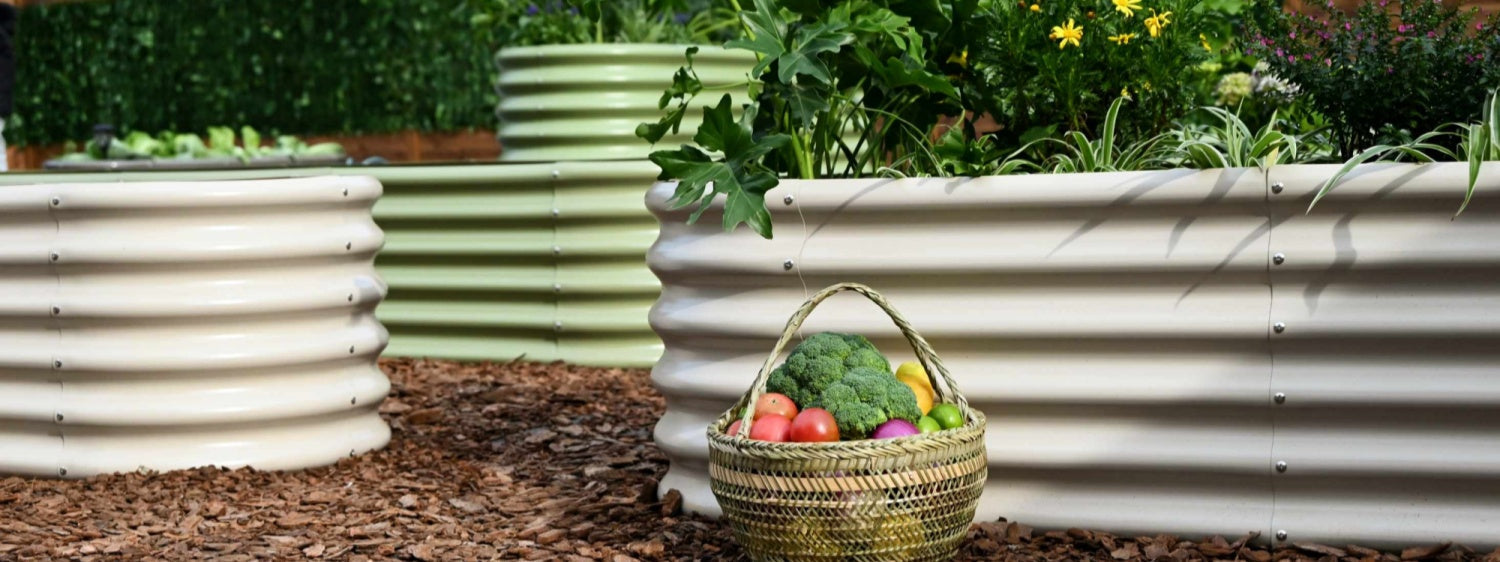
✓ Choosing durable, repairable tools and planters over flimsy, seasonal replacements.
✓ Paying attention to material safety—especially when growing what you eat.
✓ Reducing plastic in products, packaging, and daily habits.
✓ Composting plant waste and returning nutrients to the soil.
To me, CleanGrow isn't:
✕ Chasing the cheapest option while ignoring long-term cost and waste.
✕ Treating gardens as disposable décor.
✕ Accepting waste as "just part of gardening."
✕ Buying into "fast gardening" trends that prioritize instant results over sustainability.
At its heart, CleanGrow is about growing with respect—for the soil, for resources, and for the people who enjoy the harvest. It's a lens, not a law.
CleanGrow: A Response to the "Buy More, Waste More" Culture
In a world driven by speed, consumption, and disposability, where "buy new, discard old" has become the norm, CleanGrow offers a quiet, intentional resistance.
CleanGrow encourages us to pause and rethink. Instead of chasing convenience and immediate gratification, it invites us to choose quality over quantity, repair over replacement, and mindfulness over impulse. This isn't just a gardening philosophy; it's part of a broader cultural shift towards sustainability, thoughtfulness, and long-term care.
In a time when everything is disposable, CleanGrow challenges us to grow with patience, invest in what lasts, and nurture what truly matters—not only in our gardens, but in our lives.
Gardens teach patience. You can't rush healthy growth. The tools we use and the systems we build should honor that same timeline.
Growing Forward: Where We Go From Here
CleanGrow isn't a finish line—it's a practice.
It starts small. A 3-foot raised bed built from old log in your backyard. Switching to an uncoated clay pot. A compost bin quietly turning kitchen scraps into black gold. Pausing to ask, "Do I really need this—and will it last?"
In a rushed, overbuilt world, CleanGrow offers something different: a way to grow food, and a fuller life, with care.
What does CleanGrow mean to you?
Does this resonate with your gardening journey? What would you add or change in the list above? Let us know in the comments—we're growing this idea together.


Leave a comment
This site is protected by hCaptcha and the hCaptcha Privacy Policy and Terms of Service apply.