

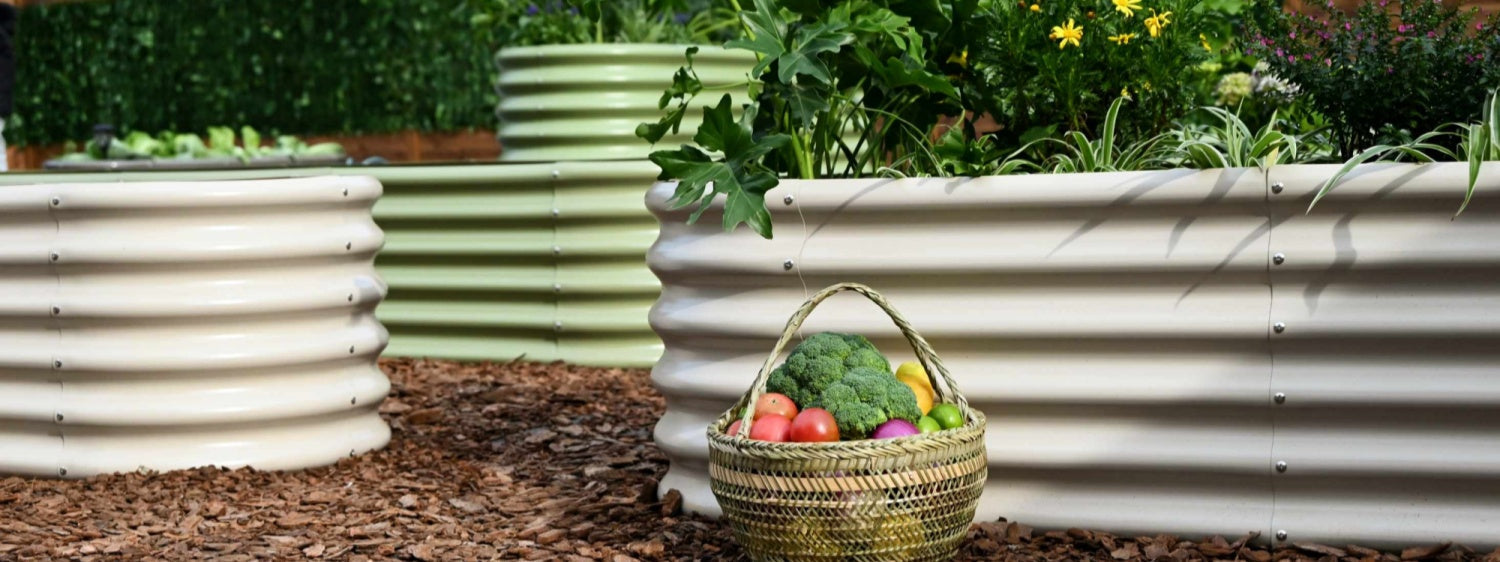
Metal raised garden beds have become increasingly popular due to their durability, low maintenance, and sleek appearance. However, not all metal garden beds are created equal. If you're considering a metal raised garden bed, here’s what you should know before making your decision.
1. Choosing Materials That Truly Last
One of the primary reasons gardeners are drawn to metal beds is their exceptional durability. Unlike wood, which can rot and require frequent replacement, metal beds—when constructed from high-quality materials—are designed to last for decades. Here’s what to look for in the materials used:
(1) Corrosion Resistance:
Galvanized steel is commonly used in metal garden beds and offers decent corrosion resistance due to its zinc coating. This coating helps prevent rust and ensures the bed maintains strength over time. However, galvanized steel can still be vulnerable to extreme humidity, acidic soils, or scratches, which may eventually cause the protective coating to degrade, leading to rust.
For higher durability, quality metal garden beds are made with a blend of Zinc, Magnesium, and Aluminum (Zn-Al-Mg). Because the additional magnesium (usually 3%) offers the following benefits:
Self-healing: When exposed edges are cut, the zinc-magnesium combination creates a protective oxide layer that naturally seals the metal and prevents further rusting.
Superior corrosion resistance: This combination provides better resistance to corrosion in more acidic environments.
Adaptability to extreme climates: This material is designed to withstand high humidity and extreme temperatures while maintaining performance.
(2) Material Thickness:
Another important factor is material thickness. Many metal raised garden beds use thinner steel panels (typically 0.3mm–0.6mm), which can be more susceptible to warping or bending over time as they face the weight of soil and the changing seasons. Thicker panels generally offer greater strength and durability. That's why Annoell beds are built with 0.85mm galvanized steel panels—to provide a sturdy, reliable growing space that gardeners can enjoy for many seasons to come. A well-built raised bed should not only look good on day one, but continue performing year after year.
(3) Corrugated Structure:
Once filled with soil, garden beds experience strong lateral pressure. Corrugated structures add reinforcement. Deeper corrugations increase structural strength, helping prevent bulging, bending, or deformation over time. This is a key design difference among metal beds.
2. Safety: Non-Toxic Materials for a Healthy Garden
Using materials that interact safely with soil is essential, especially for growing food. Some cheaper metal beds use coatings that may leach harmful substances over time.
It’s important that coatings are free from harmful substances and meet strict safety standards, ensuring they do not contain lead, mercury, or other toxic materials.
3. Edges: Fine Details Matter
Craftsmanship matters when choosing a metal raised garden bed. Edge design is especially important.
Exposed edges: Sharp and prone to rust, posing safety risks and allowing moisture entry that accelerates corrosion.
Rubber strip-covered edges: Safer initially, but rubber may degrade over time, crack, or potentially introduce chemical risks while requiring replacement.
Crimped edges: The most durable and safe solution. They create a smooth finish, eliminate sharp edges, reduce corrosion risk, and require no additional maintenance.

Choosing the right metal raised garden bed comes down to material quality, craftsmanship, and alignment with your gardening goals. High-quality Zn-Al-Mg steel beds offer strong corrosion resistance, durability, and long service life.
Ultimately, the best choice is one that fits your needs—whether that’s low maintenance, long-term durability, or a design that complements your garden. Understanding materials and construction helps ensure your garden thrives for years.
You may also enjoy these related blogs:
The Complete Beginner's Guide to Raised Garden Beds: Size, Soil & Setup
Wood vs. Metal Raised Garden Beds – Choosing the Material That Actually Fits Your Garden
Raised Bed Garden Planning: Size, Height, and Layout — Explained Simply


3 comments
Don Carlos
Nothing on metal thickness or coating material nor thickness?
Linda Gray
What is the thickness of the panels. You say you are thicker than most but fail to say what it is.
Susan Krouse
What is the thickness of the panels
Leave a comment
This site is protected by hCaptcha and the hCaptcha Privacy Policy and Terms of Service apply.