


When planning a raised bed garden, most of us focus on size and layout first. Width. Height. Where the beds will sit. But there’s another decision that quietly shapes everything that comes after:
What material should the beds be made of?
For a long time, wood was the default choice. It was familiar. Affordable. Easy to work with.
Lately, though—partly due to rising lumber prices, partly due to better options—more gardeners are looking at metal raised garden beds instead.
Wood or metal?
Ask around, and you’ll hear strong opinions. Some gardeners swear by the warmth of wood. Others love the clean lines and longevity of metal.
The truth?
Neither is “better” in every situation.
Like most things in gardening, the right material depends on how you garden, where you live, and what kind of relationship you want with your space over time.
So let’s walk through both—without taking sides.

Wooden Raised Beds
Familiar, Flexible, and Full of Character
Wooden raised beds feel like the classic choice—and for many gardeners, they still are.
Why gardeners love wood
1. A natural look that blends easily
Wood tends to disappear into the garden in the best way. It softens edges, works beautifully in cottage-style spaces, and feels right at home near fences, trees, and older houses. If aesthetics matter to you, wood often wins hearts instantly.
2. Easy to build and customize
Wood is forgiving. You can cut it, resize it, adjust it later, or build something entirely custom with basic tools. For DIY-minded gardeners, this flexibility is a huge plus.
3. Lower upfront cost (usually)
For smaller projects, untreated lumber is often cheaper than metal at the start. If you’re experimenting or building your first beds, wood can feel like a gentler entry point.
Where wood can fall short
1. It ages—and eventually, it fails
Even rot-resistant woods like cedar or redwood break down over time. Moist soil, fungi, insects, and weather all take their toll. Depending on climate and wood quality, replacement may come sooner than expected.
2. The treated vs. untreated trade-off
Pressure-treated wood is designed to last longer. Modern treatments are significantly safer than older ones, and many are approved for garden use. Still, some gardeners prefer to avoid treated lumber when it’s in constant contact with soil—especially for food gardens.
Choosing untreated wood offers peace of mind, but usually means a shorter lifespan. There’s no perfect option here—just personal comfort level.
3. Ongoing maintenance
Wood can warp, crack, or loosen over time. Screws may need tightening. Boards may eventually need replacing. For gardeners who enjoy tinkering, this can be part of the charm. For others, it becomes one more task on an already full list.
Metal Raised Garden Beds
Durable, Structured, and Surprisingly Subtle
Metal raised beds used to feel industrial or out of place.
That’s changed.
Why gardeners choose metal
1. Longevity and durability
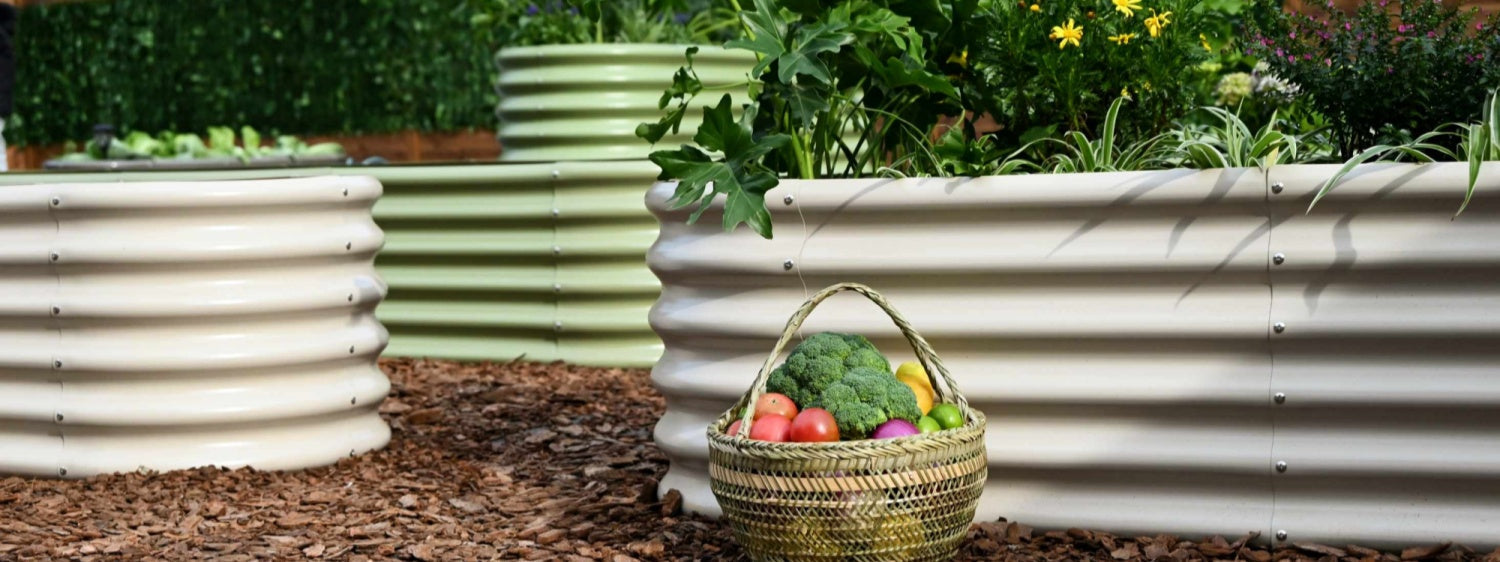
High-quality metal beds—especially those made from galvanized or coated steel—are built to last.
They don’t rot. They don’t attract insects. They don’t quietly weaken below the soil line after a few wet seasons.
For gardeners thinking long-term, this durability matters.
2. Easy assembly
Most modern metal beds are designed with simplicity in mind. Panels bolt together cleanly, edges are finished, and there’s no cutting or sealing required. It’s very much a set-it-up-once-and-move-on experience.
3. Low maintenance
Once installed, metal beds ask very little of you. No sealing. No replacing boards. No worrying about hidden decay. They tend to stay exactly where—and how—you put them.
4. Clean lines and structure
Metal brings clarity to a garden layout. It defines space, creates order, and works especially well in modern yards, urban gardens, or places where structure helps everything feel calmer.
Where metal can be challenging
1. Higher upfront investment
Quality metal beds usually cost more at the beginning. While they may save money over a decades-long lifespan (when you factor in no replacement costs), the initial price can be a barrier for some gardeners. It’s worth considering long-term value versus short-term expense.
2. Heat sensitivity (with nuance)
Metal absorbs heat more quickly than wood.
In cold climates, that faster soil warming can extend the growing season. In hot climates, soil can dry out faster. Lighter-colored metal beds can help reduce heat absorption, but they may still require more frequent watering.
3. Less DIY flexibility
Think of metal beds like modular systems: flexible, but within a structure. Wood, by contrast, gives you raw freedom to build anything from scratch.
Still, there’s one thing metal can’t fully replace for some gardeners: the ability to sit on the edge of a wooden bed while tending plants.
So… Which One Is “Better”?
Honestly?
Neither.
And both.
Wood tends to suit gardeners who:
- Love a natural, traditional look
- Enjoy DIY projects and adjustments
- Don’t mind periodic upkeep or replacement
Metal raised garden bed tends to suit gardeners who:
- Prefer long-term durability
- Want low-maintenance structures
- Appreciate clean, defined garden spaces
I’ve seen beautiful, productive gardens built with both. And I’ve also seen frustrated gardeners with both—usually not because of the material itself, but because it didn’t match how they actually garden.
A raised bed isn’t just a container for soil. It’s something you’ll walk past, work beside, lean on, and live with for years.
So instead of asking:
“Which material is best?”
Try asking:
“Which material fits how I want to garden—and how much energy I want to spend maintaining it?”
That answer is different for everyone. And that’s not a flaw. That’s gardening.


Leave a comment
This site is protected by hCaptcha and the hCaptcha Privacy Policy and Terms of Service apply.