

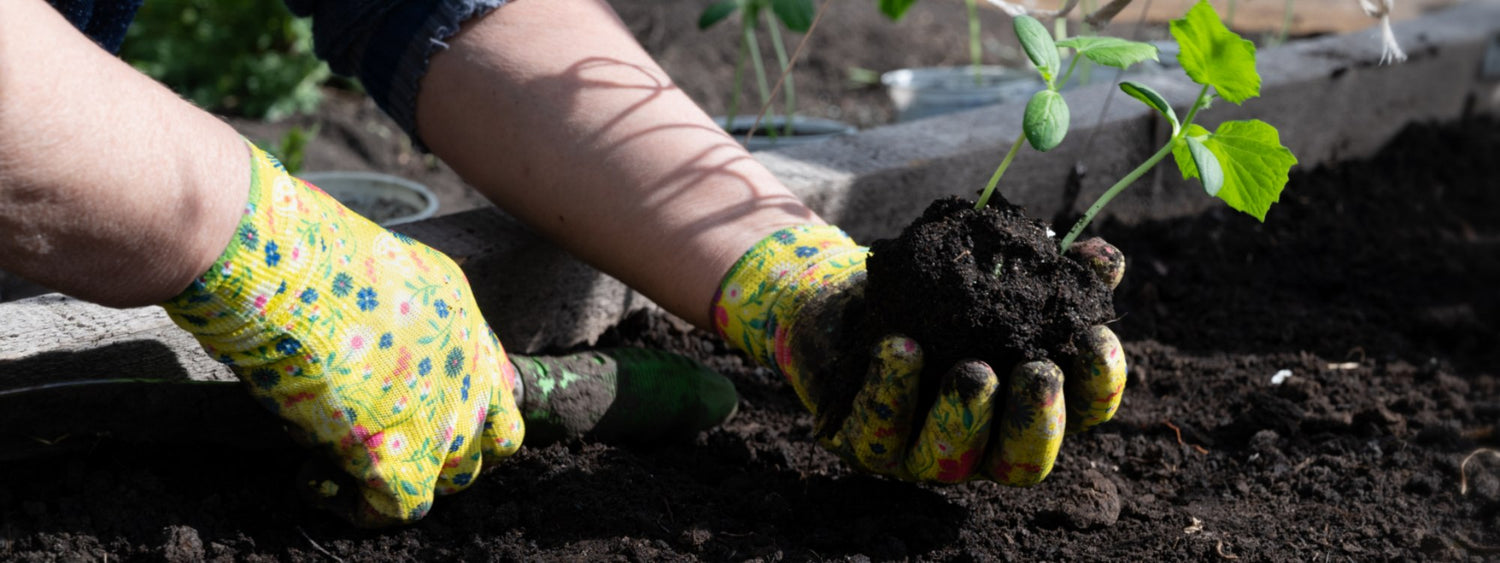
As a gardener, winter is hardly my favorite season — it lacks the liveliness that both plants and people thrive on. Yet, experienced gardeners know there’s plenty to do during these quiet months. In fact, winter is the perfect time to prepare your garden for a vibrant spring. The key theme? Soil preparation.
For years, my routine involved digging out old plants completely. But this winter, I tried a slightly different approach — one that’s simpler, cleaner, and far more soil-friendly. I’m already convinced it will yield better results come spring. Let me walk you through my 5-step reset.
Step 1: Clear Out the Beds
Start by removing last season’s plants. Good soil preparation begins with this simple act of patience.
For last year’s crops: Cut the plant at the base, but leave the roots in the soil.
Why leave the roots? Roots act as quiet underground helpers, continuing to nourish your garden as they slowly decompose. This process feeds soil microbes, releasing organic nutrients back into the soil.
For weeds: Pull them out completely — roots and all. Don’t leave weed roots behind, or they’ll grow back faster than you expect.
Step 2: Chop the Old Plants Up
This is called the "chop-and-drop" method. Instead of discarding plant material, give it a second life right in your garden. Chop healthy plant tops (avoid diseased or pest-ridden plants) into small pieces using garden shears or pruners.
Why chop? Smaller pieces decompose faster and are easier for soil organisms to handle.
Step 3: Drop Them Back onto the Soil
Spread the chopped material evenly across the bed in a thin layer. You should still see the soil underneath. This returns nutrients back to where they came from. Plants draw nutrients from the soil, so it's essential to give back to replenish the soil's richness. Without this cycle, your soil and harvest will be depleted and lack flavor.
Step 4: Recharge with Compost
Compost acts as a soil recharge. Add about 1 inch (2.5 cm) of compost over the bed, spreading it evenly. No need to mix it in. Let nature do the work. Compost does the heavy lifting, replenishing nutrients in the soil. If your soil is already rich, you can add compost every other year.
Step 5: Cover and Protect
The final step is to add a protective layer. Organic materials like cardboard work great. For cardboard, 3 layers are ideal. I also have a friend who uses newspaper to cover the bed. However, I recommend testing the newspaper ink by rubbing your finger on it; if no ink comes off, it's safe to use.
Why cover your bed?
Insulation: It keeps the bed warmer, which is especially helpful in colder climates.
Rain Protection: It prevents soil from becoming compacted and sticky during heavy rains.
Weed Suppression: It blocks weeds, saving you from a frustrating weeding session at the start of the new season.
Once covered, weigh it down with logs or stones to prevent the cover from blowing away.
In gardening, it's not just about what we grow — it's about how we grow. I've put together a short video to walk you through the steps. By following them, we give back to the soil and nurture it for the future. In a way, gardening is like raising a child: it’s not about grand gestures but showing up consistently, doing the right small things, and trusting that with care, something wonderful will grow.
You may also enjoy these related blogs:
The Best Soil Mix for Raised Garden Beds (Simple Recipe That Works)
How to Fill a Raised Garden Bed Without Buying Tons of Soil
The Complete Beginner's Guide to Raised Garden Beds:Size, Soil & Setup


Leave a comment
This site is protected by hCaptcha and the hCaptcha Privacy Policy and Terms of Service apply.