

One of the biggest promises of raised garden beds is fewer weeds. And yes—compared to in-ground gardening, it's absolutely easier. But here's what I learned the honest way:
Weeds don't disappear just because you build a frame around your soil. They slow down. They become manageable. But only if you set things up thoughtfully. The good news? You don't need chemicals. You don't need landscape plastic. And you definitely don't need to lose your weekend pulling monster weeds. You just need a few simple habits that work with the soil—not against it.

1. Start With a Clean, Natural Foundation
If you're placing a raised bed directly over grass, don't assume the grass will politely surrender. It won't. Now, before installing a new bed, I:
Choose a relatively weed-free spot
Remove deep perennial roots
Clear the area organically
Then I lay down:
Two layers of plain brown cardboard
Wet it thoroughly
Add soil right on top
No plastic sheeting. No synthetic weed barrier.
Just cardboard.
It blocks light, suppresses grass, and slowly decomposes—becoming part of the soil system instead of something that sits there forever.
That's one of the quiet advantages of thoughtful gardening: if it goes in the bed, it should eventually belong there.
2. Be Careful What You Bring In
This is the part most people overlook. Weed seeds often come from:
Low quality topsoil
Compost that didn't fully heat up
Fresh manure
Certain types of mulch
And that leads to one of the most common mistakes:
Straw vs. Hay—They're Not the Same
Hay is grown to feed animals and usually contains seed heads. If you mulch with hay, you're likely introducing a whole new crop of grass into your beds.
Straw is the dry stem left after grain harvest. It's typically much cleaner and far less likely to contain viable seeds.
Still, I always ask for clean or low-seed straw when possible.
Golden and hollow? Good sign.
Green and grassy? I pass.
After planting, I add a thin layer of:
Straw
Shredded leaves
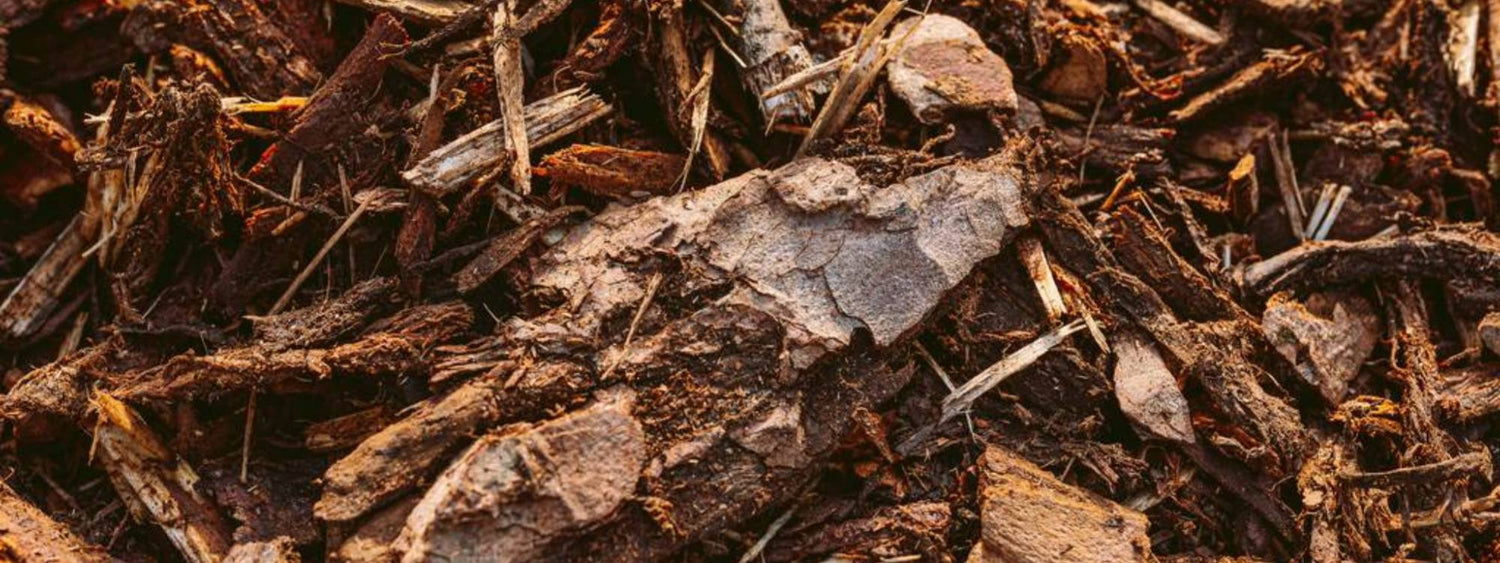
Fine wood chips around larger plants
Mulch does two things beautifully:
Blocks light from reaching weed seeds
Helps soil retain moisture
Less evaporation. Less weed pressure. Less work.
And when your soil stays covered, it stays healthier. Bare soil is stressed soil.
3. Let Your Plants Do the Mulching
In my early gardening days, I spaced everything perfectly according to the seed packet. It looked neat. It also left wide open soil between plants—and weeds happily moved in.
Now, I plant with intention.
Lettuce creates living shade.Bush beans fill in quickly.Squash sprawls like it owns the bed.
The goal isn't overcrowding. It's canopy.
Once plants shade the soil, weeds slow down dramatically. Nature doesn't like exposed ground. If your vegetables cover it, weeds lose their opportunity. It's not about fighting weeds. It's about giving them less room to compete.

4. Pull Them Small (Five Minutes Is Enough)
Here's the truth:
You don't need to win the war. You just need to stay slightly ahead.
Most mornings, I step outside with my morning coffee. Or I'll put on a short podcast in the evening. Five minutes. That's it.
Tiny weeds come out with two fingers. No tools. No frustration.
It's surprisingly calming. Almost meditative. A small daily rhythm keeps everything manageable.
Big weeds feel overwhelming. Small weeds feel like maintenance. And maintenance is sustainable.
A More Sustainable Way to Think About Weeds
Even the best-built raised bed will get a few weeds. That's normal.
A completely weed-free garden isn't the goal. A resilient, low-maintenance one is.
These days, I see weeds as feedback.
They show me:
Where soil is exposed
Where mulch has thinned
Where something else could be planted
Raised beds simplify gardening. Defined space. Controlled soil. Long-term structure.
And when we avoid unnecessary plastic, build with intention, and keep our soil covered and alive, the system starts working with us.
Less fighting.
More tending.
More hands in the dirt.
That's the kind of gardening that lasts.


Leave a comment
This site is protected by hCaptcha and the hCaptcha Privacy Policy and Terms of Service apply.