

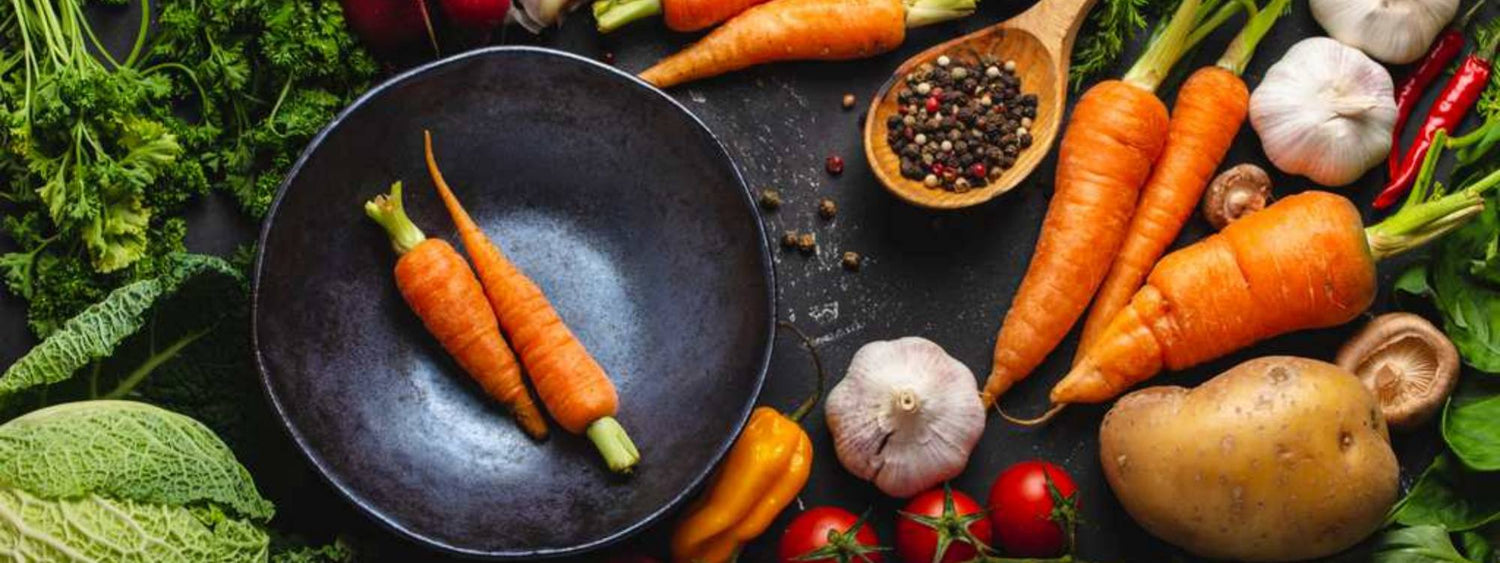
I didn't set out to become an herb gardener. It began with cooking—when I stopped believing that eating outside on weekend nights had to be some kind of special ritual. It turned into a quiet obsession when I started paying attention to what a handful of fresh herbs could do to a dish. A little basil torn over pasta. Some chopped chives on scrambled eggs. A sprig of rosemary tucked into a roast chicken. Suddenly, food tasted like mine. Not like a recipe I was following. Like something I'd made my own.
That was the hook. From there, I was gone. One basil plant became a rosemary. Then mint. Then suddenly I had twelve pots on the patio and a full-blown herb obsession.
So let me walk you through it—what to grow, how to keep it alive, and how to make the most of what you harvest.
Choosing the Right Herbs
If you're just starting out, skip the seed catalog rabbit hole and pick up a few starter plants from a nursery. Starting from seed is satisfying, but transplants give you a head start and some early confidence.
These are the ones I'd recommend to anyone:
Basil—The gateway herb. Loves sun and warmth. Don't put it outside until nights are staying above 50°F. Basil is the extrovert of the herb garden—needs attention, loves heat, rewards you constantly.
Rosemary—Tolerates neglect beautifully. Prefers drier soil. I sometimes forget to water mine for days, and it just keeps going like a loyal old dog. The smell alone—woody, piney, warm—is reason enough to grow it.
Thyme—Low, spreading, and basically unkillable once established. Great between stepping stones or at the edge of a bed. Tiny leaves, huge flavor. You'll find yourself reaching for it more than you expect.
Mint—Put mint in a pot. Not in the ground. Not near the ground. Mint has zero boundaries and will colonize everything. But here's what most people don't talk about enough: not all mint tastes the same. Peppermint is sharp and cooling. Spearmint is sweeter and milder—the one you want for mojitos and tabbouleh. Chocolate mint has an almost dessert-like aroma. Apple mint is softer and more delicate. The variety matters, which is exactly why you should buy a seedling from a nursery rather than starting from seeds. Smell it at the store. Rub a leaf between your fingers. That way you know exactly what you're bringing home.
Chives—They come back every year, the purple flowers are edible and absolutely gorgeous scattered over a salad, and snipping them over scrambled eggs will make you feel unreasonably accomplished. One of the first things up in my garden every spring. Unlike most herbs, chives are remarkably pest-free and disease-free, which makes them one less thing to worry about.
Chili—I like to tuck a chili pepper plant or two into my herb garden. Not technically an herb—chilies are fruits—but they earn their place the same way basil and rosemary do: by making everything you cook taste more alive. Here's the fun part. Chilies come in a wild range of heat levels, and seed companies seem to have a great sense of humor when it comes to naming them. You'll find dependable classics like Cayenne, fiery Habaneros that demand a little respect, and the legendary Ghost Pepper sitting next to names like Lemon Drop or Sugar Rush Peach that sound more like candy than something that could set your mouth on fire. Half the joy is standing in the nursery aisle, turning over the tags, and choosing a pepper whose name makes you laugh. If you've got a sunny corner, try one. Even a single plant can give you more heat than you know what to do with—and more than enough to brag about all summer.
Planning Your Herb Garden
You have options here, and none of them are wrong.
Containers are perfect for herbs. Most of them don't need deep soil, and keeping them in pots lets you move them around based on sun and convenience. This is especially handy if you're starting from seed—my husband walks the dog; I walk the seedlings. When the days are warm, out they go to soak up the sun. When early spring frost threatens at night, back inside they come. It's a little extra effort, but it buys you weeks of growing time you'd otherwise lose to the weather. I keep my most-used cooking herbs right by the kitchen door. Walking twelve steps in the rain to grab rosemary for a roast chicken feels deeply satisfying in a way I can't fully explain.
Raised beds work too, especially if you're grouping herbs by water needs. Mediterranean herbs like rosemary, thyme, oregano, and sage like it lean and dry. Basil, parsley, cilantro, and chives want a bit more water and richer soil. Don't make them roommates—one of them will be unhappy. This isn't just a saying; if you give rosemary the constant moisture that basil loves, its roots will suffer. And if you treat basil like rosemary, it'll wilt. Group like with like.
If you want a dedicated herb garden in the ground, just pick a sunny spot, work in a little compost, and keep the layout loose. Rows feel fussy. I prefer clusters. It looks more natural and feels more like a garden and less like a spreadsheet.
Planting and Maintenance
One of the best things about growing herbs is how low-maintenance they are. Most of them don't need rich soil or constant watering. They're not drama queens. Honestly, overwatering kills more herbs than underwatering ever will.
What they do need is sun. Most herbs want full sun—six hours or more. Basil will sulk in shade. Rosemary and thyme need that light to develop their oils and flavor. Parsley and cilantro can handle a bit less, which makes them useful for those slightly dimmer spots.
Spacing matters, but not as much as you think. Give them room to breathe. Basil wants about a foot of space. Rosemary will eventually become a small shrub, so plan for that. Mint grows so fast and spreads so aggressively that spacing becomes almost irrelevant—it'll fill whatever space you give it, and then some. This is another reason to keep it in its own pot.
Fertilizer is not really necessary for most herbs. Over-fertilizing actually dilutes the flavor. I throw a handful of compost on in spring and call it done. These plants don't want to be pampered. They want to do their thing.
Harvesting and Storing
This is the part that changed how I cook and how I think about herbs entirely.
The golden rule: Cut often, cut early, don't be shy. Every time you snip a stem, the plant branches out from that point and gets bushier. A leggy, sad basil plant is usually a basil plant that hasn't been harvested enough. These plants want to be used. It's like they're asking for it.
Where to cut—because this matters more than you'd think:
Basil: Look for a spot right above a pair of leaves—that's called a leaf node. Pinch or cut the stem just above it. Two new stems will sprout from that point. Do this regularly and you'll have a bushy, productive plant instead of a tall, sparse one.
Parsley, cilantro, and chives:Harvest from the outside in. Snip the outer stems at the base, and the plant will keep producing from the center. Never shear the whole top off—it stresses the plant and slows regrowth.
Rosemary and thyme: Snip sprigs as needed. With rosemary, cut above a leaf node just like basil. With thyme, you can trim whole sections and the plant will bounce back vigorously.
Mint: Same principle—cut stems back to just above a set of leaves. Don't be gentle. Mint can take it.
Storing herbs so you actually use them:
There's something deeply satisfying about preserving summer herbs for the colder months. Here are the methods I actually use:
Drying: Best for woody herbs like rosemary, thyme, and oregano. Tie small bundles with string and hang them upside down in a warm, airy spot out of direct sun. In a week or two, they'll be crisp and dry. Strip the leaves, store them in airtight jars, and they'll keep for months. I have a jar of dried oregano from two summers ago that still smells incredible.
Freezing whole: Chives and parsley freeze beautifully. Chop them up, spread them on a tray to freeze individually so they don't clump, then transfer to a freezer bag. Scoop out a spoonful whenever you need it. The flavor is closer to fresh than dried.
Freezing in oil or water: This is my favorite trick for basil, and it's a staple method among home gardeners for good reason. Blend basil into pesto and freeze it in ice cube trays. Pop out a cube, drop it into hot pasta, and it's July again. You can also chop herbs, pack them into ice cube trays, fill each compartment with olive oil or water, and freeze. The oil cubes go straight into the pan; the water cubes work well for soups and stews.
Refrigerator storage: For short-term use, wrap basil and parsley in a damp paper towel, tuck them in a loose plastic bag, and store in the crisper. Rosemary and thyme can go straight in the fridge in a breathable bag. Chives are best used within a few days of cutting.
Whatever method you choose, do one small thing: label and date everything. I can't tell you how many times I've pulled a mystery bag of green flecks from the freezer and had no idea if it was parsley from last summer or cilantro from three summers ago. Write the herb name and the date on the bag or jar. Future you will be grateful.
And when your basil goes crazy in July and you can't possibly use it all fast enough—and this will happen—you'll be glad you have a system. Pulling out a frozen cube of summer pesto in January feels like a small act of defiance against the season.
The Scent of a Garden
I'm going to get a little personal here, because this is the part of growing herbs I didn't expect to love so much.
It's the smell.
There's actual science behind this—aromatherapy research has shown that certain plant scents, like rosemary and lavender, can lower cortisol levels and reduce stress. But I didn't know any of that when I started. I just knew that I loved the way my fingers smelled after handling herbs.
Sometimes I walk out to the garden with no real purpose. I run my hand over the rosemary and then cup my fingers over my nose and breathe in. I rub a mint leaf between my thumb and forefinger until the oils release. I pinch a bit of thyme and carry that scent with me back inside. It's a small thing, but it shifts something in me. It's grounding in a way I can't quite explain.
The dried herbs in jars have their own magic. I open a jar of last summer's oregano, stick my nose right in, and the smell fills my head. It's not the same as fresh—it's deeper, earthier, more concentrated. It's the smell of time passing and things preserved.

And then there's the table. When those herbs move from your fingers to your tongue, something wonderful happens. Your taste buds get sharper, more curious. You start noticing that the basil you picked in the morning tastes brighter than the basil you picked after a hot afternoon. You realize you added a little too much rosemary this time, or not quite enough thyme, and everyone at the table has an opinion about it. These become the conversations of a Sunday evening—the kind that don't matter and matter completely. A single handful of herbs, picked fresh from your own garden, can turn an ordinary meal into something your family remembers.
That's what a little herb garden gives you. Not just flavor. Not just a hobby. But scent and memory and a reason to gather.
And it all starts with one basil plant and the courage to snip it.
You may also enjoy these related blogs:
Essential Herb and Vegetable Companion Planting Combinations for a Thriving Garden
Love in the Garden: 4 Things My Plants Taught Me (Not Exactly About Romance, But Close)
Raised Garden Beds vs. In-Ground Gardening: Which Is Right for You?


Leave a comment
This site is protected by hCaptcha and the hCaptcha Privacy Policy and Terms of Service apply.