

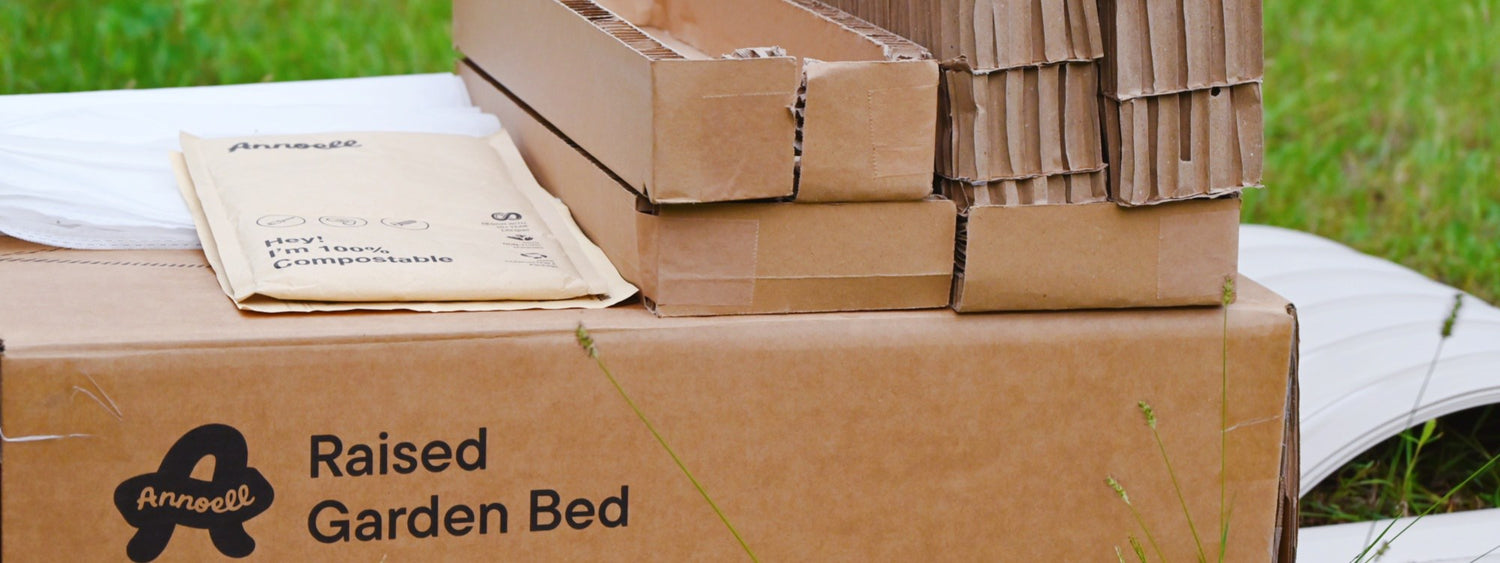
If you’ve built a raised garden bed before, you’ve probably heard this tip: “Put cardboard at the bottom.” It’s a surprisingly common practice among home gardeners. A few sheets of cardboard laid on the ground can help suppress weeds, reduce digging, and slowly break down into the soil over time.
But what exactly happens when cardboard goes into the soil? Does it really improve the garden—or is it just another gardening myth that keeps circulating online? The truth sits somewhere in between. Cardboard can be a helpful gardening tool, but it works best when you understand what it actually does.
Let’s dig into it.
Why Gardeners Use Cardboard
The main reason gardeners use cardboard is surprisingly simple: it blocks light. When you lay cardboard over grass or weeds, it prevents sunlight from reaching the plants underneath. Without light, most weeds eventually die back. That’s why cardboard often appears in sheet mulching or no-dig gardening methods.
This approach is especially popular when building a garden bed directly on top of a lawn. Instead of digging out all the grass—which can be a lot of work—gardeners lay cardboard down first, then add compost and soil on top. Over time, the grass underneath breaks down, and the cardboard slowly decomposes along with it. It’s a simple, low-effort way to start a new planting area.
Many gardeners also reuse the cardboard packaging from their raised garden beds as a weed barrier layer. At Annoell, we intentionally keep our packaging simple—plain cardboard with minimal ink—so it can easily be reused in the garden instead of thrown away.

What Cardboard Really Adds to Your Soil
Here’s where things get interesting.
Many gardeners assume cardboard “feeds” the soil. That’s partly true—but not in the way most people think. Plain brown cardboard is made from wood pulp fibers, which mainly contain two natural components:
Cellulose – the structural fibers that make up plant cell walls. You can think of it as the basic framework of plants, similar to the fibers found in wood or paper.
Lignin – a natural compound that helps plants stay rigid and upright. It’s what makes wood tough and slow to break down.
Both of these materials are very high in carbon.
What cardboard does not contain much of are the nutrients plants rely on for growth:
nitrogen (N)
phosphorus (P)
potassium (K)
Those are the elements we typically think of as fertilizer. Cardboard itself doesn’t supply them in meaningful amounts.
So if cardboard isn’t feeding the plants directly, what is it doing? It’s mainly a carbon source.
As cardboard breaks down in the soil, microbes and fungi slowly consume those carbon-rich fibers. Earthworms often help by pulling pieces down into the soil and mixing them with organic matter. Over time, this process contributes organic material and can help improve soil structure. In other words, cardboard acts less like fertilizer and more like raw material for the soil ecosystem.
Why Gardeners Add Compost on Top
Because cardboard is high in carbon but low in nitrogen, gardeners usually add compost or rich garden soil above it. Compost tends to contain more nitrogen and active microorganisms, which helps balance the carbon-heavy cardboard. Together, they create a healthier environment for soil life to break everything down.
If you’ve ever heard gardeners talk about carbon–nitrogen balance, this is exactly what they’re referring to.
Is Cardboard Safe for the Garden?
For the most part, plain brown cardboard is considered safe for garden use. Modern cardboard boxes are typically made from relatively simple materials, and the inks used on standard shipping boxes are generally low in heavy metals.
Still, not all cardboard is ideal for the garden. It’s best to avoid:
glossy cardboard
wax-coated boxes
plastic-laminated packaging
These materials break down slowly and may introduce unwanted substances into the soil. It’s also a good idea to remove tape, stickers, and labels before placing cardboard in the garden.

Common Mistakes to Avoid
Like many gardening shortcuts, cardboard works best when it’s used properly. A few small mistakes can make it far less effective.
1. Using dry cardboard for moisture retention
Some gardeners expect cardboard to help retain moisture in the soil. But dry cardboard is actually hydrophobic. Instead of absorbing water, a dry sheet can temporarily repel it. If you want cardboard to help with moisture retention or decomposition, it’s best to soak it or thoroughly wet it after laying it down.
2. Using only one thin layer for weed suppression
A single thin sheet often isn’t enough to block persistent weeds, especially grasses. Two or three layers work better to block light effectively.
3. Leaving gaps between sheets
Weeds are surprisingly persistent. Overlapping sheets generously helps prevent gaps where weeds can grow through.
4. Using coated cardboard
Wax-coated, glossy, or plastic-laminated cardboard does not break down properly and should be avoided.
5. Using cardboard in termite-prone areas
In regions with termite activity, moist cardboard can attract them because it contains cellulose. If termites are common in your area, it may be better to skip cardboard.
Final Thoughts
Cardboard isn’t a miracle solution—but it can be a useful one. Its main role in the garden isn’t feeding plants directly. Instead, it works by blocking light to suppress weeds, adding carbon as it breaks down, and supporting soil life over time.
Used thoughtfully—especially alongside compost and good soil—it can help establish a new garden bed with less digging. And sometimes, the simplest tools really are the most effective.
Frequently Asked Questions
Can you plant directly on top of cardboard?
Yes. Many gardeners place cardboard on the ground first, then add compost and soil on top before planting.
Does cardboard permanently stop weeds?
No. It suppresses existing weeds by blocking light, but new seeds can still grow later.
Is cardboard good for raised garden beds?
Yes, especially when starting on grass or weeds. It helps suppress vegetation during setup.
You may also enjoy these related blogs:


1 comment
John S.
Text me more ideas to grow my organic garden
Leave a comment
This site is protected by hCaptcha and the hCaptcha Privacy Policy and Terms of Service apply.