

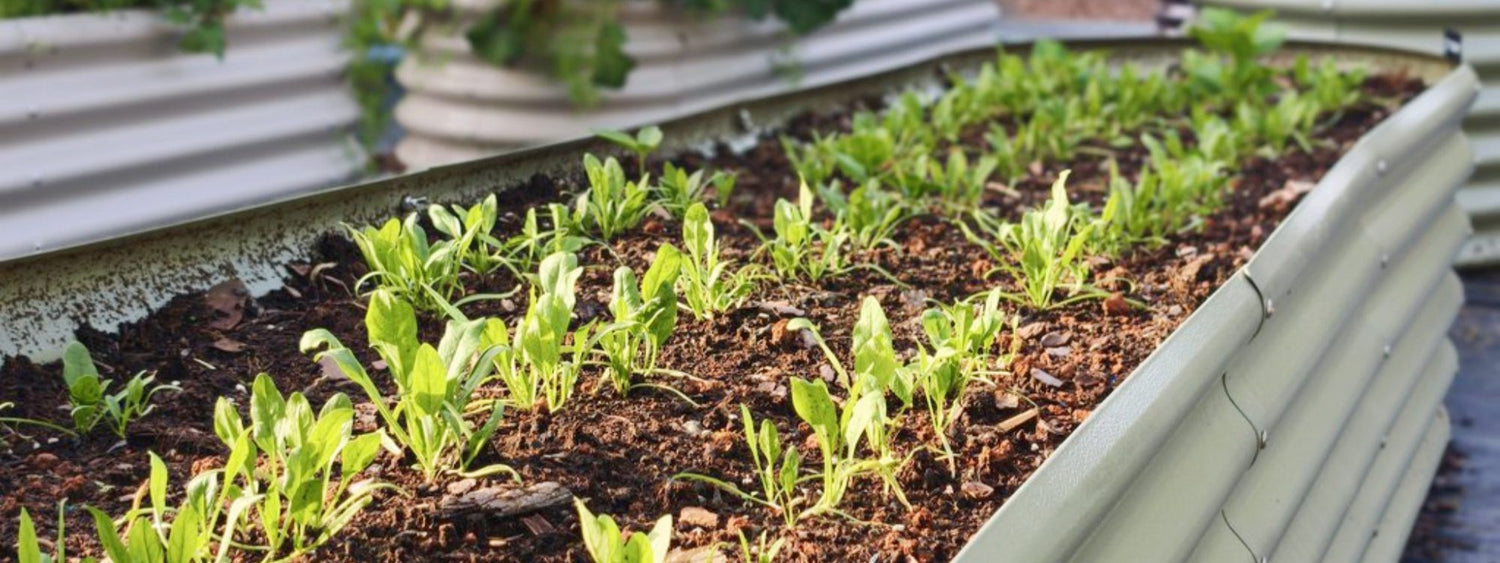
My first raised garden bed has become something of a running joke in our house. It all started with a simple 4x4 wooden frame—nothing fancy. I laid down cardboard at the bottom, piled on a thick layer of dry leaves I'd collected from the yard, and then added about 10 bags of potting soil (which, looking back, was a classic rookie move—and a bit much for both a raised bed and my wallet). I'd heard over and over that soil is the foundation of everything—your biggest investment as a gardener. So I figured I was giving my baby tomatoes the VIP treatment.
I transplanted those seedlings with so much hope. And then... nothing dramatic. They actually grew—hit about two feet tall, even. But they never thrived. The leaves looked sickly. The tomatoes never really came. That summer threw everything at them—record heat, relentless rain—and my poor plants just couldn't handle it.
Looking back, there were just so many things I learn from this tomato garden bed, and one of the important part is how to fill up a raised garden bed in a correct way.
After that first blind stab at filling a raised bed, I got curious. I started reading. I started asking questions. I learned from gardeners who'd been doing this for decades. And over years of practice, I figured out what actually works.
What I'm sharing with you now is what I wish someone had told me before I dumped those first 10 bags of soil into my brand-new bed. If you're a new gardener getting ready to start your first raised bed, this is the stuff worth knowing. Think of soil like the stage for your plants. If the stage is wobbly, soggy, or missing boards, your plants can't perform. But build it right, and they'll put on a show all season long.

What Makes Great Raised Bed Soil?
Here's the thing about raised beds: they let you start fresh. You're not stuck with whatever lumpy clay or sandy soil your yard happened to come with. You get to build the perfect environment from scratch.
Now, you could go buy pre-mixed bagged soil for your bed. And plenty of people do. But after years of trial and error, I can tell you this: mixing your own soil is almost always better. It's cheaper, you know exactly what's in it, and honestly? Finding reliable bagged soil is harder than it sounds. A lot of those bags look good on the outside but turn into woody pieces once they're in your bed. So let's talk about what goes into good soil—and why each ingredient matters.
The Foundation: Top Soil
Top soil is exactly what it sounds like—the stuff that comes from the ground. You can dig it from your backyard ( if it is clean) or buy it from landscape supply places.
Think of top soil as the backbone of your mix. It gives your plants something to anchor their roots into. It holds minerals. It provides structure.
But here's the thing: top soil alone won't feed your plants. It's like a house with walls but no electricity or plumbing. The structure is there, but the life isn't. That's where everything else comes in.
The Nutrition: Compost
This is where the magic happens.
Compost isn't really feeding your plants directly—it's feeding the billions of microscopic creatures living in your soil. Those creatures break down organic matter and turn it into nutrients your plants can actually use. Think of compost as the potluck dinner for your soil's underground community. Everybody shows up, brings something different, and your plants are the ones who benefit.
Different plants have different appetites, though. Tomatoes are heavy feeders—they want a rich, compost-heavy mix. Herbs like rosemary? They prefer things a little leaner. Compost gives you the flexibility to adjust.
The Sponge: Coconut Coir or Peat Moss
These materials hold water without turning your bed into a swamp. They soak up moisture when you water, then release it slowly as your plants get thirsty.
I personally prefer coconut coir which is also more expensive. It's made from coconut husks, it's renewable, and it rehydrates easily even after sitting in a bag for months. Peat moss works too, but it's slower to re-wet if it dries out completely.
The Breathing Room: Perlite or Coarse Sand
If coir is the sponge, perlite is the tiny white bits that keep soil from packing down too tight. They create air pockets so roots can breathe and water can drain.
This matters more than you'd think. Roots need oxygen just like leaves do. Without it, they suffocate. Perlite and coarse sand (sometimes called horticultural sand or sharp sand) create channels for air and water to move through.
Other Good Stuff You Can Add
Once you've got the basics down, there's a whole world of amendments you can toss in:
Well-aged shredded leaves – Free organic matter if you've got trees in your yard. They break down slowly and feed the soil food web.
Composted manure – Adds nutrients and improves texture. Just make sure it's well-aged (at least six months) so it doesn't burn your plants.
Worm castings – Pure gold. They're packed with beneficial microbes and gentle nutrients. I add a handful to every planting hole.
Mushroom compost – Great for moisture retention, though it can be a little alkaline. Use it alongside other composts for variety.

Getting the Balance Right
So how much of each thing should you use?
The honest answer? It depends.
The right mix for your raised bed depends on three things:
What your top soil is like to begin with
Your local climate
What you're planning to grow
Once you understand what each ingredient does, you can start making decisions based on those factors. You're not following a rigid recipe—you're becoming a gardener who understands why things work.
That said, here are a couple of examples to give you a starting point:
For tomatoes, peppers, or leafy greens (plants that love consistent moisture):
30% top soil
20% coconut coir or peat moss
30% compost
20% organic matter that brings nitrogen (like composted manure or worm castings)
For Mediterranean herbs like rosemary, thyme, or lavender (plants that hate wet feet):
50% top soil
40% coarse sand
10% compost (and even that might be generous—these guys like it lean)
Don't get too hung up on the exact numbers, though. Plants are forgiving. They'll let you know if something's off, and you can adjust next season.
How to Fill a Raised Bed Without Breaking the Bank
Here's where mixing your own soil really pays off.
If you tried to fill a whole raised bed with bagged potting mix from the garden center, you'd spend a small fortune. Even buying bagged top soil and compost adds up fast.
The trick is to use less soil.
There's a method called Hugelkultur (it's German, just roll with it) that's been around forever. The idea is simple: you layer organic material from the bottom up, so you only need soil for the top layer where roots actually grow.
Start with:
1. Cardboard at the very bottom. This blocks grass and weeds while they decompose. (Plain brown cardboard only—skip the glossy stuff with tape and labels.)
2. Branches, sticks, or coarse yard waste next. These create air pockets as they break down, improving drainage and saving you from buying extra soil.
3. Compost or partially decomposed leaves on top of that. This feeds the soil life right from the start.
4. Your finished soil mix on top—the stuff your plants will actually grow in.
As those bottom layers rot, they turn into rich, dark soil over time. Your bed settles a little each year, but that's fine—just top it off with fresh compost each spring.
Common Mistakes I've Made (So You Don't Have To)
Too much compost: Yes, there is such a thing. Plants can get "leggy" and weak from too much nitrogen. They grow fast but flop over.
Using only native soil from your yard: If your yard is clay or sand, straight native soil in a raised bed will drain poorly or dry out too fast. Always amend it.
Not mixing well: If you dump in layers and don't mix, roots might hit a pocket of pure compost or plain coir and struggle. Mix everything together thoroughly before planting.
Forgetting to refresh: Soil fertility drops each season. Top off your beds with fresh compost every spring.
Using glossy or coated cardboard: That shiny stuff doesn't break down right. Stick to plain, brown cardboard.
Last but not least—believing expensive pre-mixed bagged soil is always better: It's not. Some of my best soil has come from mixing things I already had in my yard. Fallen leaves, grass clippings, even sticks and twigs—they all break down into something valuable eventually. Don't overlook what's already in your backyard.
The perfect soil mix isn't magic—it's science, experience, and a little patience stirred together.
Start with one bed. Mix in the good stuff. Watch how your plants respond. Adjust next season. That's how you learn. That's how your garden grows along with you.
And somewhere along the way, you stop worrying about getting it exactly right and start enjoying the quiet moments in the garden—dirt under your nails, sun on your shoulders, and the satisfaction of knowing you built that soil with your own two hands.
Frequently Asked Questions
What are the signs that my raised bed soil needs improvement?
If your plants are struggling, despite good sunlight and water, your soil might need attention. Signs include poor drainage (soil stays too wet after watering), plants with yellowing leaves, or stunted growth. You can refresh the soil by adding organic materials like compost or adjusting the mix for better drainage, especially if you live in a humid area or have heavy clay soil.
Can I mix different types of soil in my raised bed?
Yes! In fact, mixing different soil types can be beneficial. For example, if you have heavy clay soil in your yard, mixing it with coarse sand or coconut coir can improve drainage. You can also combine compost with topsoil for better nutrition. Just be sure that the mix suits the needs of the plants you're growing.
What can I add to my raised bed soil to attract beneficial insects?
To encourage beneficial insects like bees, ladybugs, and predatory beetles, add herbs like oregano, thyme, or fennel near your raised beds. These plants attract pollinators and natural pest controllers. Additionally, including flowers like marigolds or nasturtiums in your garden can create a more biodiverse and healthier environment for your plants.
How does the climate affect the soil mix for raised beds?
The climate plays a significant role in soil choice. In dry, hot climates, you'll want to use a soil mix that retains moisture, like one with coconut coir or peat moss. In wet climates, focus on improving drainage by adding more coarse sand or perlite. Adjusting your soil mix based on your local climate can help your plants thrive all year round.
What's the deal with soil pH, and should I worry about it in a raised bed?
Soil pH affects how well plants can absorb nutrients. Most vegetables grow best in slightly acidic to neutral soil (pH 6.0-7.0). If you're unsure about your raised bed's pH, it's worth testing the soil. If your pH is too high (alkaline) or too low (acidic), you can adjust it by adding materials like sulfur to lower the pH or lime to raise it. Different plants have specific pH needs, so keep that in mind when planting!
You may also enjoy these related blogs:


Leave a comment
This site is protected by hCaptcha and the hCaptcha Privacy Policy and Terms of Service apply.