

Here's something I've noticed talking to friends who dream about starting a home garden: a lot of them never actually begin. They talk about it. They save photos. They browse seed catalogs in January. But when spring rolls around, the shovel stays in the shed.
When I ask why, the answers usually come down to two things. Either they're afraid they'll start strong and then lose momentum—another half-finished project gathering weeds. Or they're afraid they'll invest time and money and watch the whole thing fail.
I get both of those fears. I've lived both of those fears.
But here's what I wish they knew: almost everyone who actually starts gardening falls in love with it. Not with perfect gardens—nobody has one of those. But with the feel of dirt on their hands, the quiet rhythm of being outside, the small miracle of a seed turning into food. The whole point of gardening isn't a flawless garden. Nobody's first garden is a masterpiece. But ask any gardener, and they'll tell you—they love their garden anyway. We all do. That's the secret nobody talks about.
The tips below come from my own hard-won experience and from seasoned gardeners who were generous enough to share what they knew. I've organized them into five sections—planning, choosing plants, building soil, maintenance, and harvesting—so you can scan what you need or read straight through.
If something here sparks a question, good. That's how this whole thing works. Ask it. We'll figure it out together.

Planning Your Veggie Garden
1. Start smaller than you think—a 4×4 foot raised bed or a couple of large containers is plenty for year one. That tiny space will teach you just as much as a sprawling plot ever would. Building confidence is the real goal your first season, not feeding the whole neighborhood.
2. Pick a spot with at least six hours of direct sunlight. If your yard can't offer that, lean into leafy greens and herbs instead of sun-hungry tomatoes and peppers. Watch where the sun actually falls, not where you wish it fell.
3. Put your garden somewhere you walk past every single day. Visibility isn't lazy—it’s how you catch problems early and harvest at the right moment.
4. Resist the urge to turn your whole yard into a garden in one season. You can always add more next year. You can't undo an overwhelmed, overgrown mess that makes you want to quit.
5. If your native soil is less than ideal, raised beds are the easier way in. One or two 4ft by 4ft raised beds are a great starting point. An 8ft by 4ft bed works too—just don't go bigger than you can comfortably reach into from both sides.
Choosing Plants
1. Grow what you and your family actually eat, not what looks good on social media. I've met so many gardeners who grew things they never even wanted, then spent August desperately trying to give it all away.
2. The bigger the seed, the easier it tends to be. Beans, peas, and squash are forgiving and fast. Tiny seeds are wonderful but fussier—save the challenge for year two.
3. You don't have to start from seed—transplants are a perfectly legitimate shortcut. Pick up healthy seedlings from a local nursery and you'll skip the whole germination anxiety phase entirely.
4. Pay attention to the specific variety you're buying. Not all radishes are the same. Not all tomatoes are the same. Read the label or the packet and know what you're signing up for.
5. Load up on herbs—they're easy to grow and they pull double duty as companion plants. Basil next to your tomatoes, dill near your cucumbers. They make each other better.
6. Plant at least one flower you love—marigolds, zinnias, something cheerful. They bring in pollinators and make the garden feel like a place you want to be, not just a chore.
7. Skip anything that says "120 days to harvest" on the packet. Your first season is about building confidence, not patience. Save the long-game crops for year two.
8. Bush beans are the ultimate beginner crop—no staking, no fuss, just pick and eat. If you only plant one vegetable your first season, make it bush beans.
9. If you want to try a climbing vegetable, pole beans are the easiest place to start. They're forgiving, grow fast, and will happily wind their way up a trellis or a few bamboo poles. You might be tempted to go straight for cucumbers—most people do—but cucumbers are way more dramatic about water and can be fungal-disease magnets if their leaves stay damp. Pole beans are a gentler first date.
10. Avoid plants that are notorious pest magnets your first year. Skip blueberries, cauliflower, broccoli, celery, large pumpkins, sweet corn, and eggplant. They're not impossible to grow, but they'll test your patience in ways a beginner doesn't need. Let year two handle those.

Building Soil
1. Walk into your backyard and figure out what your native soil is actually like before you buy anything. A simple pH test kit gives you a baseline, and grabbing a handful of wet dirt tells you whether you're working with clay, sand, or something in between.
2. Mix a couple inches of compost into your bed before planting, and that alone puts you ahead of most beginners. Good dirt equals good vegetables. It's not glamorous, but it's true.
3. Use the chop-and-drop method wherever you can. Spent plants, fallen leaves, pulled weeds that haven't gone to seed—chop them up and drop them right onto the soil as free mulch and slow-release food.
4. If you're in containers, fresh potting mix is non-negotiable. Old, crusty dirt from last year's dead petunia won't do your vegetables any favors.
Maintenance
1. Don't water on a rigid schedule—stick your finger in the soil and let the dirt tell you what it needs.
2. Deep watering a few times a week beats light sprinkles every day. Roots chase water and nutrients downward. If you want healthy deep roots, water less often but more thoroughly.
3. Pull weeds when they're small—five minutes a day keeps them from becoming a weekend project. Put on a podcast, zone out, and treat it as a low-stakes daily ritual.
4. Don't be afraid to thin your seedlings or pinch back your basil. Cutting isn't punishment—it’s giving the strongest plants room to thrive and redirecting energy where it matters.
5. For pest problems, ask a neighbor who gardens before you go down an internet rabbit hole. Pest issues are often local, and an experienced gardener in your area already knows what works.

Harvesting
1. Harvest early and often—beans get tough if you wait too long, and basil tastes best before it flowers. More picking usually means more production, so don't be shy about it.
2. Tomatoes are ready when they're fully colored and come off with a gentle tug—if you have to yank, it's not ready.
3. Walk through your garden in the late afternoon and grab whatever's ready, then figure out dinner around what you picked. It's backwards from how we usually cook, and it's deeply satisfying.
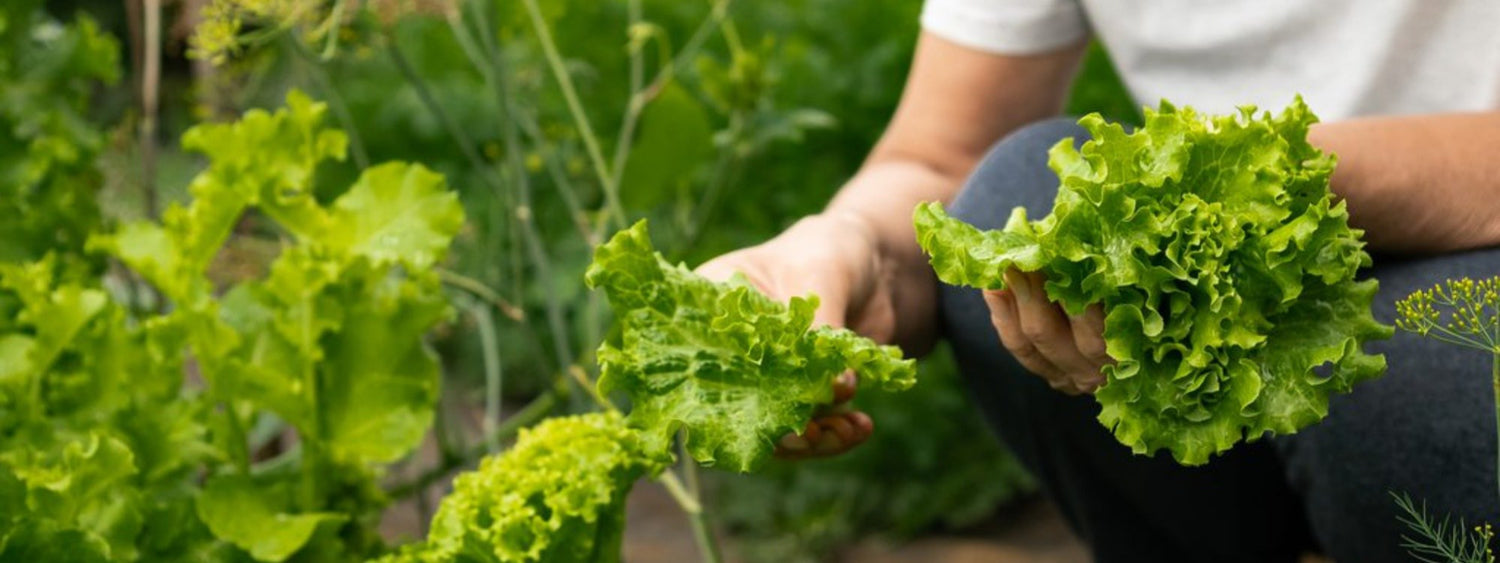
4. Leafy greens can be harvested leaf-by-leaf from the outside, and the plant will keep producing from the center. You don't have to chop the whole head—take what you need and let the rest keep growing.
5. If you have kids, let harvesting be their gateway into gardening. Picking ripe cherry tomatoes and filling a bowl is pure joy for a child. Once they've tasted that, they'll be a lot more willing to help with the weeding.
The first time you eat something you grew yourself, all the mistakes suddenly won't matter. That single warm tomato or handful of green beans will reset your whole sense of what food is supposed to taste like.
Your first vegetable garden won't be perfect. Parts of it will fail. That's allowed. The failures teach you just as much as the successes, and the food you do harvest tastes better than anything in a plastic clamshell from the store.
Next year, you'll look back and realize you're not a beginner anymore. Not because you took a class or read all the books, but because you kept showing up—hands in the dirt, paying attention, season after season.
You may also enjoy these related blogs:


Leave a comment
This site is protected by hCaptcha and the hCaptcha Privacy Policy and Terms of Service apply.